

Senior Dental Care in McKinney, TX
If you are over 60 and noticing changes in your teeth, you are not alone. Understanding why your teeth change after 60—and what to do about it in McKinney—can help you protect your smile for decades to come. Age brings real shifts in oral health, and many of them are manageable with the right care. Dr. Steve Kim and the team at Custer Creek Dental Care are here to guide you through every stage.
How Aging Affects Your Oral Health After 60
Your mouth changes significantly as you get older. Gum tissue naturally recedes over time, exposing root surfaces that were once protected. Tooth enamel also thins with years of use, making teeth more sensitive and prone to wear. These changes are normal, but they do require closer attention from your dental team.
Saliva production often slows down as we age. Many common medications—including those for blood pressure, anxiety, and allergies—list dry mouth as a side effect. Without enough saliva, bacteria thrive and your cavity risk increases dramatically. This is one of the most overlooked dental challenges for adults over 60.
Bone density can also decrease in the jaw. This affects how teeth are anchored and how well dental restorations hold up over time. Staying informed and proactive makes a meaningful difference in long-term outcomes.
Dry Mouth, Medications, and Root Decay in McKinney Patients
Dry mouth is not just uncomfortable—it is a genuine oral health risk. Saliva helps neutralize acids and rinse away food particles. When saliva production drops, decay accelerates, especially at the gum line where root surfaces are exposed.
Root decay is particularly common in adults over 60. Unlike enamel, root surfaces are softer and more vulnerable to acid erosion. If left untreated, root decay can spread quickly and threaten the entire tooth. In some cases, this can lead to the need for Root Canals to save the tooth structure.
Here are some steps you can take to manage dry mouth at home:
- Drink water consistently throughout the day
- Chew sugar-free gum to stimulate saliva flow
- Avoid caffeine and alcohol, which worsen dryness
- Use a humidifier while sleeping
- Ask Dr. Kim about prescription-strength fluoride treatments
Let your dentist know about every medication you take. That list helps your care team anticipate risks and customize your prevention plan accordingly.
Gum Recession and What It Means for Your Smile
Gum recession is one of the most common concerns for patients over 60. When gum tissue pulls back, it exposes the sensitive root portion of the tooth. This can cause discomfort when eating hot, cold, or sweet foods.
Recession also changes how your smile looks. Teeth can appear longer than they once did. In some cases, gaps develop between teeth at the gumline, trapping food and bacteria. This creates a cycle that accelerates further gum damage if not addressed.
The good news is that recession can be managed effectively. Regular cleanings remove tartar buildup that irritates gum tissue. Dr. Kim may also recommend specialized hygiene tools or antimicrobial rinses. Catching recession early makes treatment far simpler.
Severe gum disease—called periodontitis—can cause bone loss around the roots of teeth. This is a leading cause of tooth loss in older adults. Consistent dental visits are your best defense against this progression.
Dental Implants and Tooth Replacement Options After 60
Tooth loss becomes more common after age 60. Whether due to decay, gum disease, or injury, missing teeth affect how you chew, speak, and feel about your smile. The good news is that modern dentistry offers excellent solutions for patients at any age.
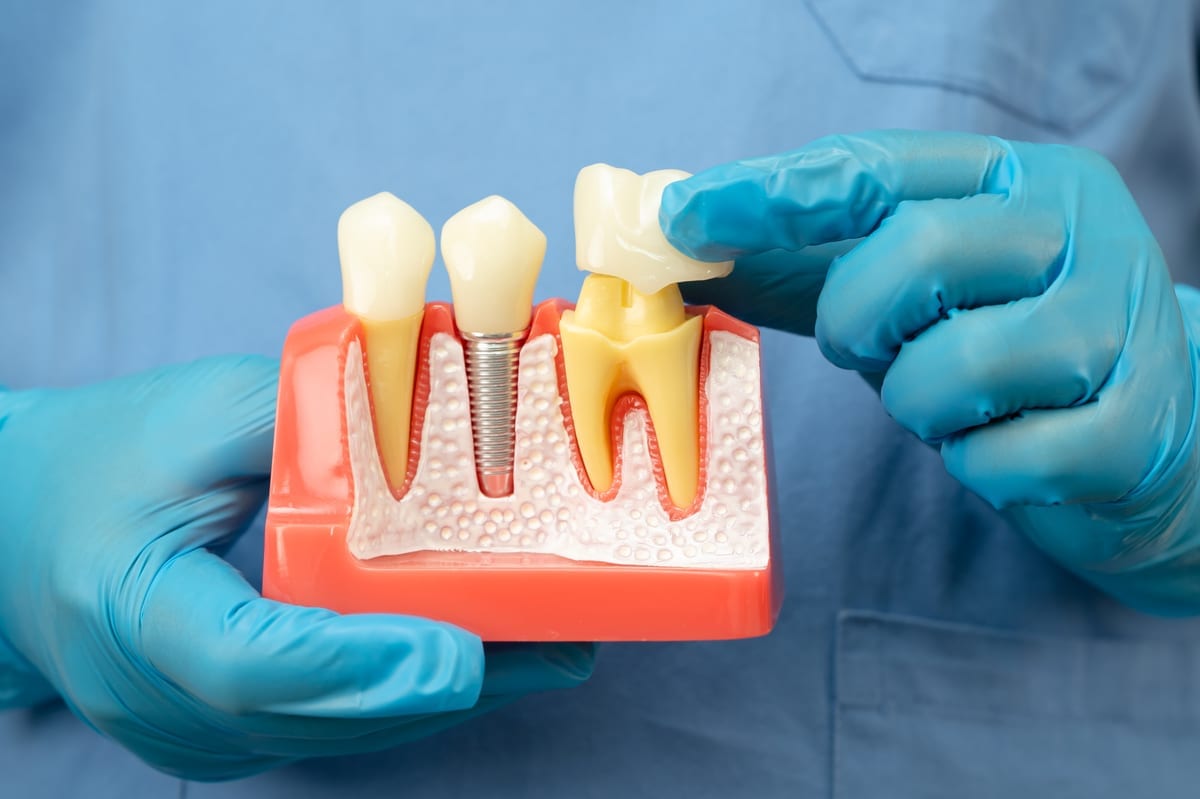
Dental Implants are one of the most effective long-term solutions for missing teeth. They function like natural tooth roots and can last a lifetime with proper care. Many patients over 60 are excellent candidates, though bone density and overall health are factors your dentist will evaluate.
Benefits of dental implants for older adults include:
- Restored chewing ability for a better diet and nutrition
- Prevention of bone loss at the extraction site
- No adhesives or removal required, unlike dentures
- A natural appearance that supports facial structure
- Long-term durability compared to other restorations
For patients who are not implant candidates, dentures and implant-supported dentures offer strong alternatives. Dr. Kim will review your full medical and dental history before recommending a path forward. The goal is always a solution that fits your life and your health.
Preventive Care Strategies for Adults Over 60 in McKinney
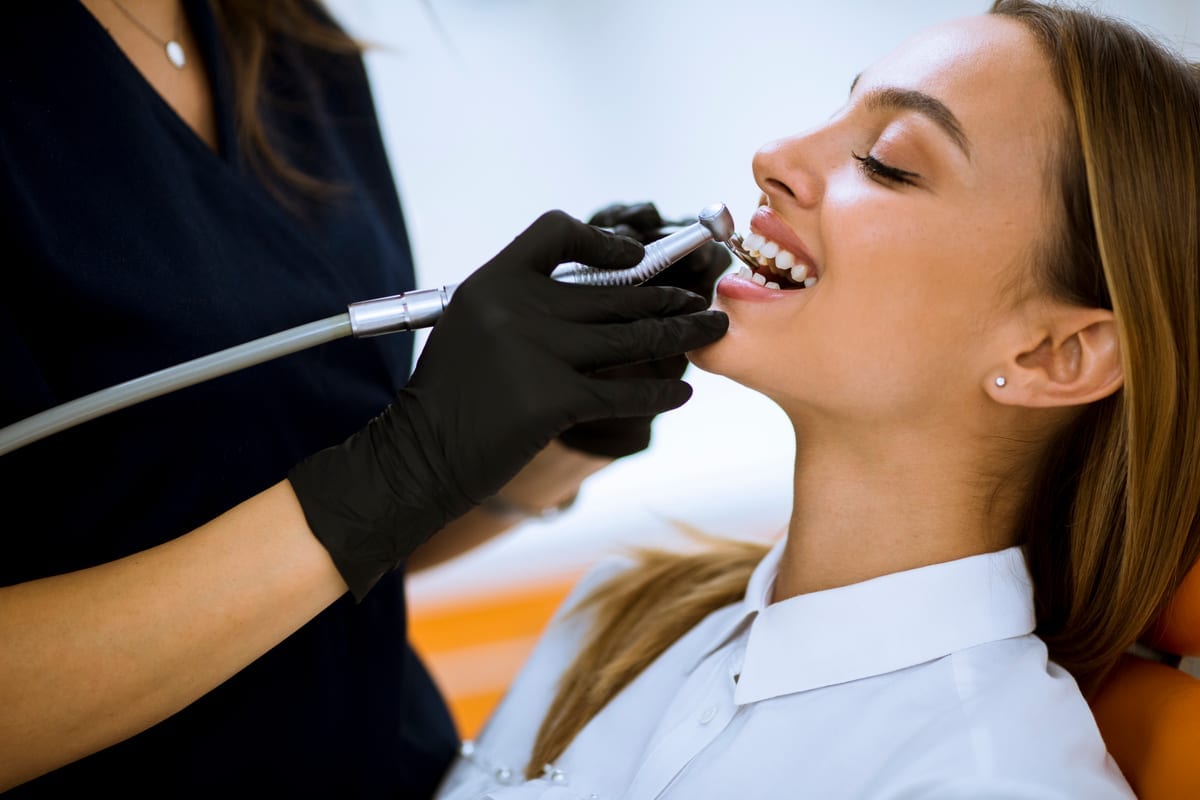
Prevention remains the most powerful tool in senior dental care. Visiting your dentist every six months allows early detection of decay, gum disease, and oral cancer. These appointments also give your hygienist the chance to remove hardened tartar you cannot brush away at home.
Fluoride treatments are not just for children. Adults over 60 benefit significantly from professional fluoride applications, especially when managing dry mouth or root exposure. Ask about prescription fluoride toothpaste as part of your daily routine.
Good nutrition supports oral health at every age. Calcium-rich foods strengthen bones and teeth. Crunchy vegetables help clean tooth surfaces naturally. Limiting sugary and acidic foods reduces your decay risk significantly.
Home care habits matter more than ever after 60. Use a soft-bristled toothbrush to protect sensitive gum tissue. Floss daily to reach the spaces your brush cannot. A water flosser can be especially helpful for patients with dexterity challenges or dental restorations.
Talking to Dr. Kim About Your Changing Dental Needs
Every patient’s oral health journey is unique. What works for one person at 62 may not be right for another at 68. That is why personalized care is so important when addressing how and why your teeth change after 60—and what to do about it in McKinney.
At Custer Creek Dental Care, Dr. Steve Kim takes time to understand your full health picture. He reviews your medications, your medical history, and your personal goals before making any recommendations. This comprehensive approach leads to better outcomes and fewer surprises.
Do not wait until something hurts to schedule a visit. Pain is often a late sign that a problem has already progressed. Proactive care is almost always simpler, more comfortable, and more effective than reactive treatment.
McKinney seniors deserve a dental team that truly understands their needs. Whether you are managing dry mouth, concerned about gum recession, or exploring tooth replacement options, Custer Creek Dental Care is ready to help. Book Now to schedule your appointment with our team.
Frequently Asked Questions
Why do teeth become more sensitive after age 60?
Sensitivity increases after 60 because enamel naturally thins over time and gum tissue recedes, exposing softer root surfaces. These roots lack the protective enamel layer and react more strongly to temperature and pressure. Dr. Kim can recommend desensitizing treatments and protective products to manage this effectively.
Can dry mouth from medications really cause cavities?
Yes, significantly. Saliva plays a critical role in neutralizing acids and rinsing away bacteria. When medications reduce saliva flow, decay risk rises sharply—especially along exposed root surfaces. Your dentist can recommend fluoride treatments and other strategies to offset this risk.
Am I too old to get dental implants?
Age alone does not disqualify someone from getting implants. Candidacy depends on factors like bone density, overall health, and gum health. Many patients well into their 70s and 80s successfully receive implants. Dr. Kim will evaluate your specific situation to determine the best option for you.
How often should seniors visit the dentist?
Most adults over 60 benefit from dental visits every six months. However, patients with gum disease, dry mouth, or other risk factors may need more frequent appointments. Your care team at Custer Creek Dental Care will recommend a schedule tailored to your individual needs.
What can I do at home to protect my teeth after 60?
Use a soft-bristled toothbrush twice daily and floss every day. Drink plenty of water to combat dry mouth. Limit sugary and acidic foods. Ask Dr. Kim about prescription fluoride toothpaste if you have root exposure or a high decay risk. Consistent home care combined with professional cleanings makes a significant difference.