

Teeth Whitening Not Working? Stain Types
You’ve tried whitening strips, trays, and toothpastes — but your smile still looks dull. If you’re frustrated, you’re not alone. Many McKinney patients ask why their teeth whitening isn’t working, and the answer often comes down to one key distinction: intrinsic vs. extrinsic stains. Understanding the difference can save you time, money, and disappointment. At Custer Creek Dental Care, Dr. Steve Kim helps patients find the right solution for their specific type of discoloration.
What Are Extrinsic Stains — and Why Whitening Usually Works on Them
Extrinsic stains sit on the outer surface of your enamel. They come from what you eat, drink, and expose your teeth to every day. These are the stains most whitening products are designed to target.
Common causes of extrinsic staining include:
- Coffee, tea, and red wine
- Dark-colored sodas and juices
- Tobacco products — both smoking and chewing
- Certain sauces like soy sauce, tomato sauce, and balsamic vinegar
- Poor brushing habits that allow plaque buildup
Whitening products use peroxide-based agents to break down these surface molecules. When the staining is truly extrinsic, results are usually visible. A professional whitening treatment at our McKinney office goes deeper than store-bought options. It delivers more consistent and longer-lasting brightness.
What Are Intrinsic Stains — and Why Whitening Often Fails Here
Intrinsic stains are located inside the tooth structure itself. They develop within the dentin — the layer beneath your enamel. No amount of surface whitening can reach them effectively.
Intrinsic discoloration has many possible causes. Some happen before birth or during early childhood. Others develop later in life due to specific circumstances.
Known causes of intrinsic staining include:
- Tetracycline or antibiotic use during tooth development
- Fluorosis — overexposure to fluoride during childhood
- Trauma or injury to a tooth that causes internal bleeding
- Aging, which thins enamel and exposes darker dentin beneath
- Certain medications that affect dentin color over time
- Previous dental work, such as old metal fillings showing through
If you’ve tried whitening products repeatedly without results, intrinsic staining may be the culprit. This is one of the most common reasons McKinney patients feel let down by over-the-counter whitening options. A dental evaluation can confirm what type of staining you actually have.
How Dr. Steve Kim Diagnoses and Treats Different Stain Types in McKinney
Identifying your stain type is the critical first step. Dr. Kim examines your teeth and reviews your dental and health history during your consultation. This helps him determine whether your discoloration is extrinsic, intrinsic, or a combination of both.
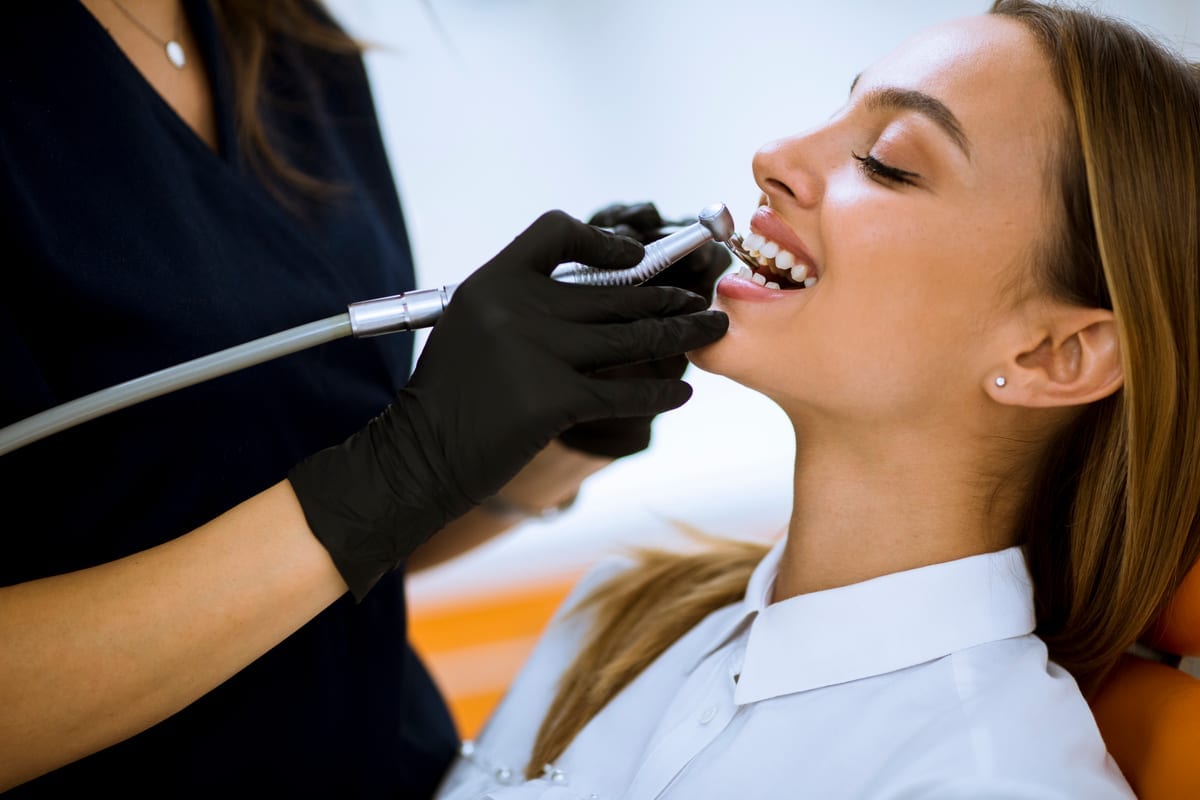
For extrinsic stains, professional whitening is highly effective. A thorough teeth cleaning first removes surface buildup and prepares your enamel. This step alone can dramatically improve brightness before whitening even begins.
For intrinsic stains, the approach is different. Whitening agents simply cannot penetrate deep enough to change dentin color reliably. Dr. Kim typically recommends cosmetic options that cover or replace the discolored surface entirely.
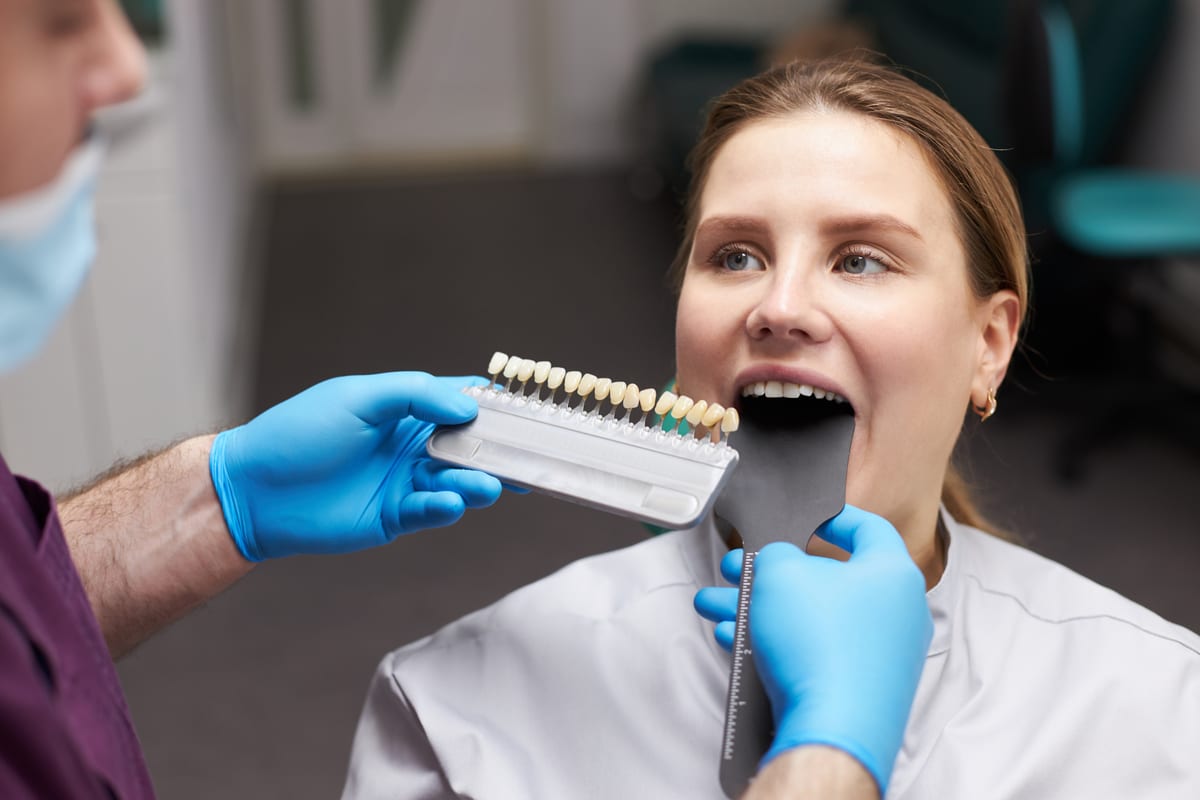
Two of the most effective solutions for intrinsic staining are veneers and dental crowns. Veneers are thin porcelain shells bonded to the front of teeth. They completely mask discoloration and create a uniform, bright appearance. Crowns encase the entire tooth and are ideal when the tooth also has structural issues. Both options provide long-lasting, natural-looking results for patients in McKinney.
When a Gray or Dark Tooth Signals a Deeper Problem
Sometimes a single dark or grayish tooth stands out from the rest. This often signals internal damage rather than surface staining. It can be the result of old trauma, a dying nerve, or decay inside the tooth.
In these cases, discoloration is actually a symptom — not just a cosmetic issue. The tooth may need Root Canals treatment to remove damaged tissue and stop further deterioration. After the procedure, a crown or veneer can restore the tooth’s appearance. Addressing the underlying cause is always the priority before any cosmetic fix.
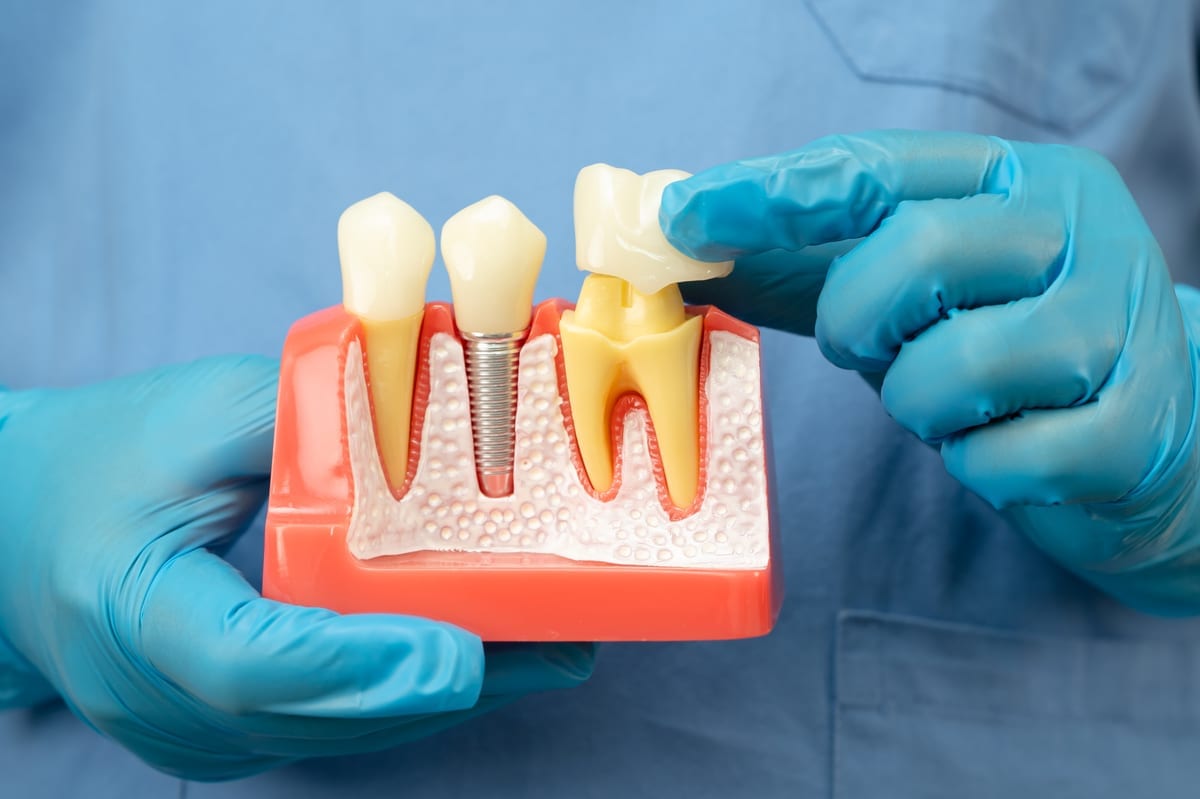
If a tooth has been lost entirely due to trauma or decay, Implants offer a permanent and natural-looking replacement option. They preserve your jawbone and blend seamlessly with surrounding teeth. Dr. Kim will discuss whether this is appropriate during your evaluation.
Tips to Prevent Staining and Protect Your Results
Whether you have extrinsic or intrinsic staining, prevention matters. Good habits protect whitening results and slow the development of new discoloration. Dr. Kim recommends a few simple strategies to all his McKinney patients.
Consider these preventive steps after whitening treatment:
- Rinse with water immediately after consuming staining foods or drinks
- Use a straw when drinking coffee, tea, or dark beverages
- Brush twice daily and floss once daily without fail
- Schedule regular cleanings every six months to remove new buildup
- Avoid tobacco in all forms — it causes rapid and deep staining
Touch-up whitening treatments can also extend your results significantly. Your dentist can recommend the right frequency based on your diet and lifestyle. Consistency with these habits makes a real difference over time.
Conclusion
Understanding why your teeth whitening isn’t working starts with knowing which type of stain you have. Extrinsic stains respond well to whitening — but intrinsic stains require a different approach entirely. Whether veneers, crowns, or another treatment is right for you depends on a proper diagnosis. Dr. Steve Kim and the team at Custer Creek Dental Care are here to help McKinney patients find real, lasting solutions for every type of discoloration. Book Now to schedule your appointment with our team.
Frequently Asked Questions
Why isn’t my whitening toothpaste making a difference?
Whitening toothpastes only remove light surface stains through mild abrasion or low-level peroxide. They cannot change intrinsic stain color inside your tooth’s dentin. If you have deeper or more stubborn discoloration, a professional evaluation will help identify the right treatment.
Can all types of stains be treated at a dental office?
Yes, but the treatment differs based on the stain type. Extrinsic stains respond well to professional bleaching. Intrinsic stains are better addressed with cosmetic options like veneers or dental crowns. Dr. Kim will recommend the most appropriate option after examining your teeth.
Is professional whitening safe for sensitive teeth?
Professional whitening can be performed safely on sensitive teeth with the right approach. Dr. Kim uses customized concentrations and protective techniques to minimize discomfort. He may also recommend a desensitizing treatment before or after whitening to keep you comfortable throughout the process.
How long do teeth whitening results typically last?
Results from professional whitening usually last between one and three years. How long they last depends on your diet, oral hygiene habits, and whether you use tobacco. Routine touch-ups and regular cleanings help maintain brightness over time.
When should I consider veneers over whitening?
Veneers are a better choice when whitening cannot address your discoloration. This includes tetracycline staining, fluorosis, aging-related dentin darkening, and single discolored teeth from old trauma. They also correct chips, gaps, and uneven shapes at the same time — offering a comprehensive cosmetic upgrade.