
Teeth Cleaning Aftercare in McKinney, TX
Most McKinney patients focus on getting their teeth cleaned and then move on with their day. But what you do after your cleaning actually matters more in McKinney than most people realize. The hours following a professional cleaning are a critical window. Your teeth and gums are freshly treated — and your choices during that time directly affect how long the results last.
At Custer Creek Dental Care, Dr. Steve Kim wants every patient to leave not just with cleaner teeth, but with the knowledge to protect them. This guide walks you through exactly what to do — and what to avoid — after your next cleaning.
Why the Hours After Your Cleaning Matter So Much
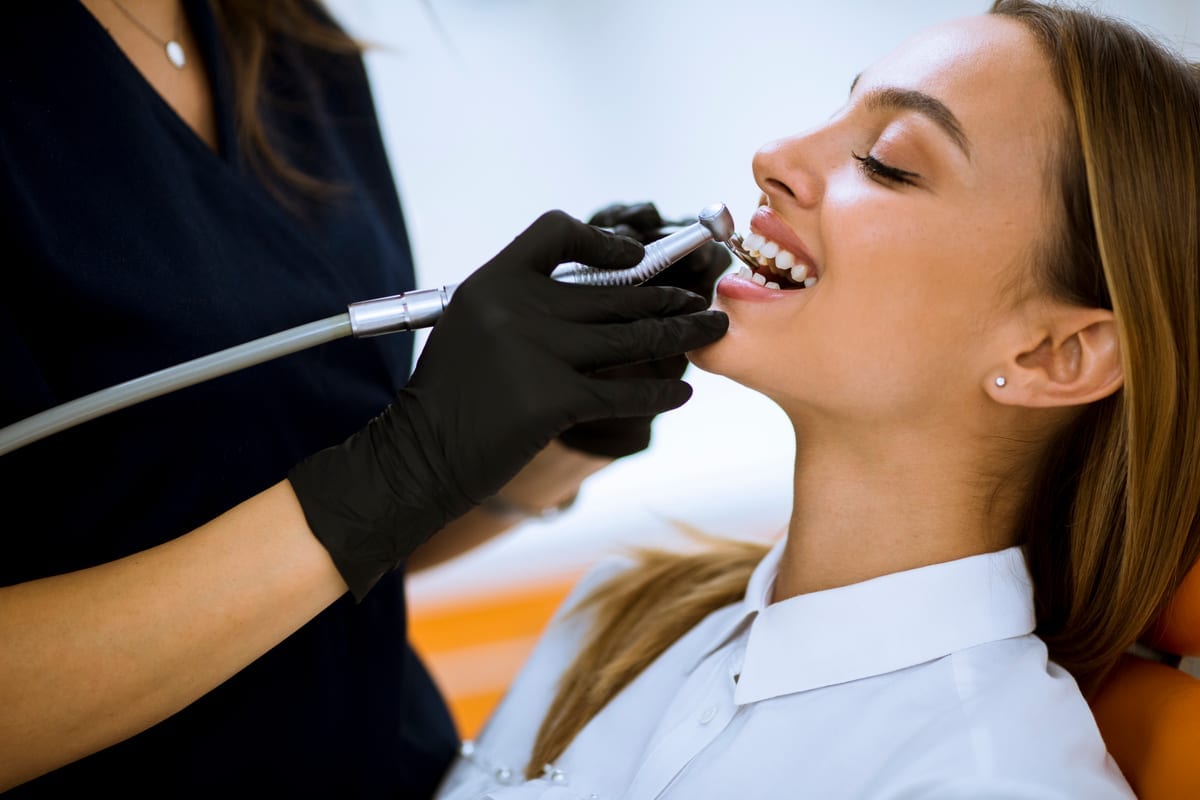
During a professional cleaning, your hygienist removes built-up plaque and tartar. Your enamel surfaces are polished and refreshed. That process temporarily opens up microscopic pores in your enamel. During this window, your teeth are slightly more vulnerable to staining and sensitivity.
Your gums may also feel mildly tender after a deep cleaning. This is completely normal. But it means you need to be gentle and intentional about what you eat, drink, and do right afterward. Ignoring this window can undo some of the good work done in the chair.
Think of it like a fresh coat of paint. You would not drag furniture across it immediately. The same principle applies to your newly cleaned smile.
Foods and Drinks to Avoid Right After Your Cleaning in McKinney
One of the most important aftercare steps is watching what goes into your mouth. For the first 24 to 48 hours after your cleaning, avoid highly pigmented foods and drinks. These include coffee, red wine, tea, berries, tomato sauce, and soy sauce. Your enamel is more porous during this period and stains more easily.
You should also avoid acidic foods and drinks during this window. Citrus fruits, sodas, and vinegar-based dressings can irritate freshly cleaned gum tissue. They can also temporarily weaken enamel that has just been polished.
Here is a quick list of what to skip for 24–48 hours after your appointment:
- Coffee and dark teas
- Red wine and dark juices
- Tomato-based sauces and ketchup
- Citrus fruits and juices
- Carbonated sodas
- Dark berries like blueberries and blackberries
Sticking to light-colored, non-acidic foods during this time helps preserve your cleaned surfaces. Think chicken, rice, bananas, and water. It is a small sacrifice with a meaningful payoff.
What You Should Do After Your Cleaning to Maximize Results
Aftercare is not just about avoidance. There are positive steps you can take to make the most of your professional cleaning. These habits protect your teeth and extend the benefits of the appointment.
Here are the key aftercare actions Dr. Steve Kim recommends for McKinney patients:
- Drink plenty of water — It flushes away residual bacteria and keeps your mouth hydrated.
- Brush gently that evening — Use a soft-bristled toothbrush and light pressure if your gums are sensitive.
- Floss carefully — Flossing after a cleaning reinforces the clean feeling and removes any loosened debris.
- Use fluoride toothpaste — Fluoride helps remineralize enamel in the hours after a cleaning.
- Avoid smoking or tobacco — Tobacco products stain teeth quickly and irritate healing gum tissue.
These steps may seem simple, but they make a real difference. Consistency on the day of your cleaning sets the tone for your ongoing oral health routine.
Managing Sensitivity After a Professional Cleaning
Tooth sensitivity after a cleaning is common, especially if it has been a while since your last visit. Your hygienist removes built-up deposits that may have been shielding sensitive root surfaces. Once those deposits are gone, those surfaces feel more exposed temporarily.
To manage sensitivity, avoid very hot or very cold foods and beverages for 24 hours. Sensitivity toothpaste with potassium nitrate can help. You can apply a small amount directly to sensitive areas and leave it on for a few minutes before rinsing.
If sensitivity lasts more than a week, contact Custer Creek Dental Care. Persistent sensitivity can sometimes signal a deeper issue that needs attention. Dr. Kim and the team can evaluate whether you need additional treatment — such as Root Canals for a tooth with significant nerve involvement, or other targeted care.
Building Better Habits Between Cleanings
Your professional cleaning is most effective when it builds on strong daily habits. The time between appointments is where most of the real work happens. McKinney patients who maintain consistent routines at home get far more out of each cleaning visit.
Brush twice daily for a full two minutes each time. Floss at least once every day — ideally before bed. Consider adding an antibacterial mouthwash to your routine to reduce bacteria between brushings. These steps slow the return of plaque and tartar significantly.
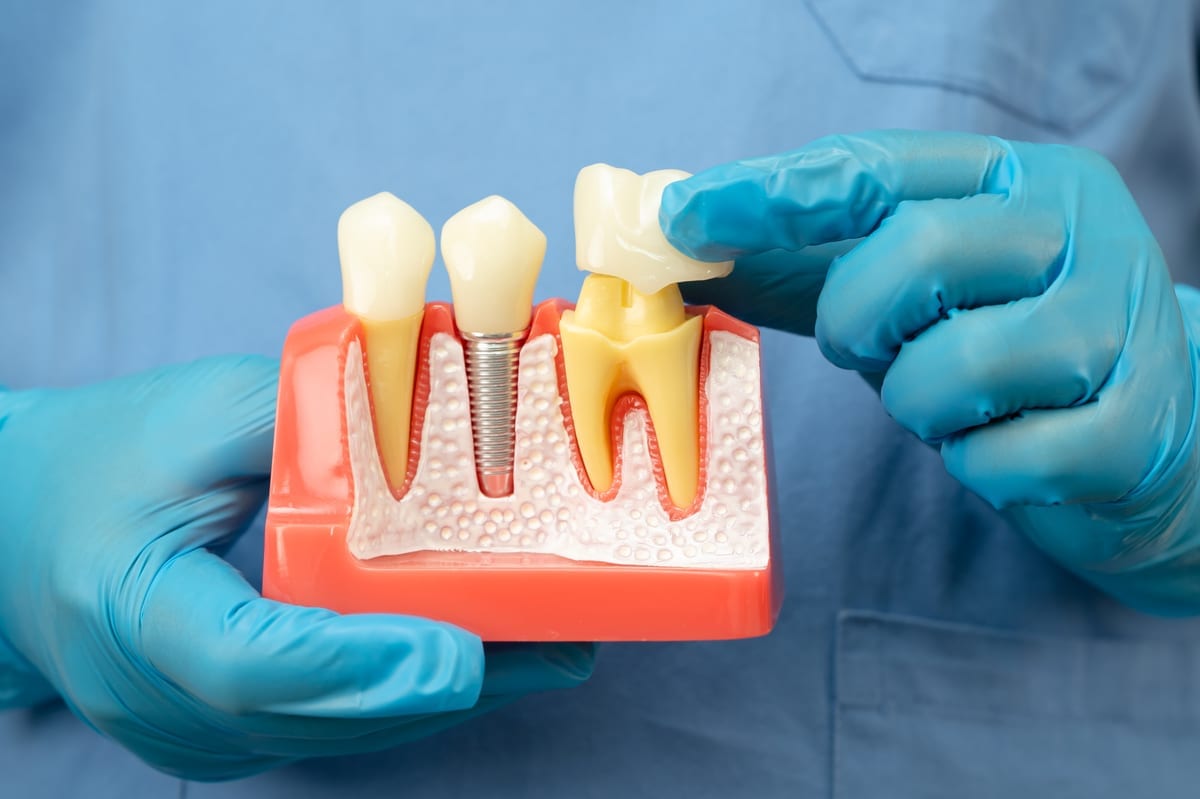
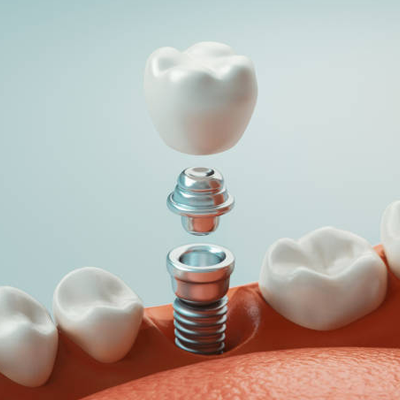
If you have had tooth loss or are considering restorative work, ask Dr. Kim about Implants as a long-term solution. Maintaining a clean, healthy mouth is essential for the success of any restorative treatment. Good aftercare habits support both your natural teeth and any dental work you have done.
Most adults benefit from a professional cleaning every six months. Some patients with a history of gum disease may need more frequent visits. Your hygienist will recommend the right schedule based on your individual needs.
Your Next Steps at Custer Creek Dental Care in McKinney
You put time and effort into your dental appointments. Protecting that investment with smart aftercare is the logical next step. What you do after your cleaning actually matters more in McKinney than most patients expect — and now you have the tools to do it right.
Dr. Steve Kim and the entire Custer Creek Dental Care team are here to guide you at every stage. Whether it is your routine cleaning, sensitivity concerns, or a full smile evaluation, we are ready to help McKinney patients feel confident in their oral health.
Ready to schedule your next cleaning or follow-up visit? Book Now to schedule your appointment with our team.
Frequently Asked Questions
Can I eat right after a teeth cleaning?
Yes, you can eat after a cleaning, but it is best to wait at least 30 minutes. Avoid staining foods like coffee, red wine, and berries for 24 to 48 hours. Stick to light-colored, non-acidic foods to protect your freshly cleaned enamel.
How long does tooth sensitivity last after a professional cleaning?
Mild sensitivity typically fades within 24 to 48 hours after your cleaning. Using a sensitivity toothpaste and avoiding very hot or cold foods can help. If sensitivity persists beyond one week, contact your dentist for an evaluation.
Should I brush my teeth right after a cleaning?
You can brush your teeth the same evening after your cleaning. Use a soft-bristled toothbrush and gentle pressure, especially if your gums feel tender. Fluoride toothpaste is a great choice to help remineralize your enamel after the appointment.
How often should I get a professional teeth cleaning in McKinney?
Most adults should schedule a professional cleaning every six months. Patients with a history of gum disease or other risk factors may need more frequent visits. Dr. Steve Kim will recommend the right schedule based on your specific oral health needs.
Does what I do after a cleaning really make a difference?
Absolutely. The hours right after a cleaning are a critical window for your enamel and gum tissue. Avoiding staining foods, staying hydrated, and brushing gently can extend the benefits of your cleaning and protect your results for longer.