
Crowns vs. Veneers: When Your Dentist Chooses Each One
If your dentist has mentioned both crowns and veneers, you might wonder what makes each option the right choice. Understanding Crowns vs. Veneers: When Your Dentist Chooses Each One in McKinney helps you walk into your appointment feeling informed. Dr. Steve Kim at Custer Creek Dental Care takes time to explain the clinical reasoning behind every recommendation. This guide breaks down the key differences so you know exactly what to expect.
What Are Dental Crowns and Veneers?
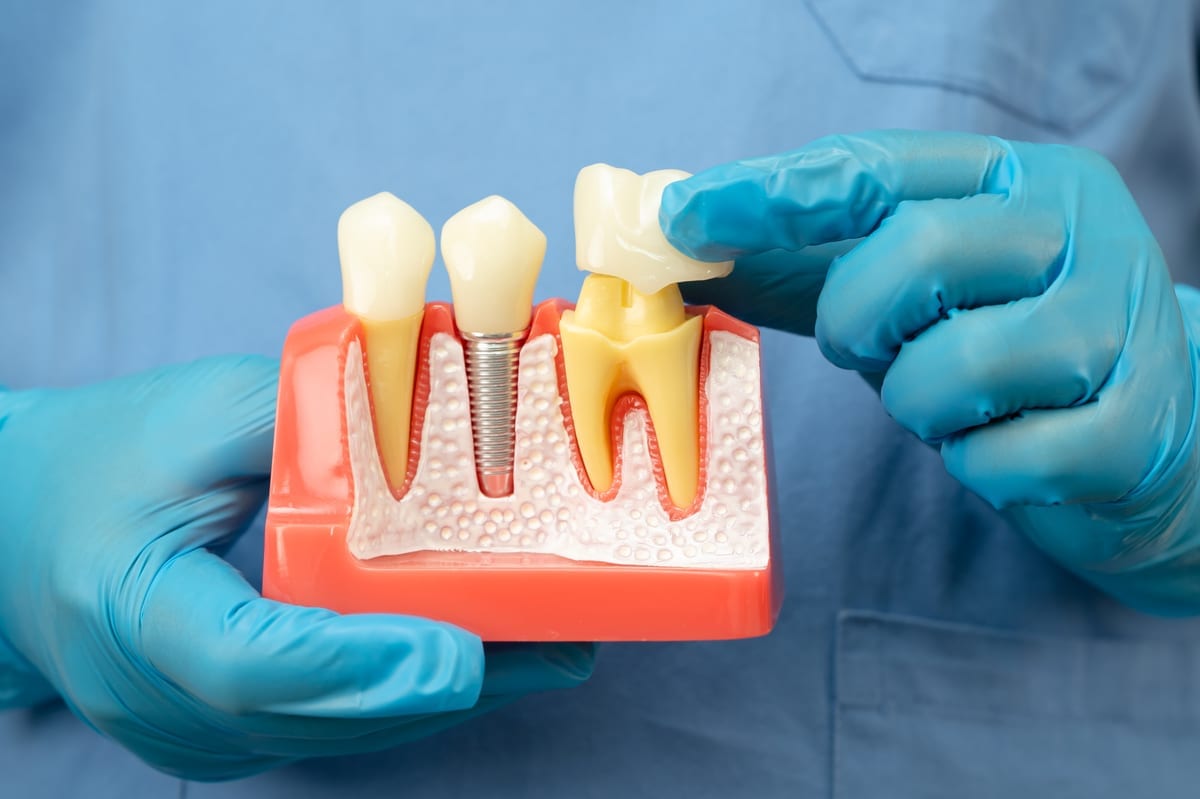
A dental crown is a cap that covers the entire tooth above the gum line. It restores a tooth’s shape, strength, and function after significant damage. A crown is cemented in place and becomes a permanent part of your tooth structure.
A veneer is a thin shell — usually made of porcelain — bonded to the front surface of a tooth. Veneers are primarily cosmetic. They improve the appearance of teeth that are discolored, chipped, or slightly misaligned. They do not wrap around the entire tooth.
Both options require some preparation of your natural tooth. However, the amount of tooth structure removed differs significantly between the two. That difference is one of the biggest factors in your dentist’s decision-making process.
When Your McKinney Dentist Recommends a Crown
Dr. Kim typically recommends a crown when a tooth has lost significant structure. This often happens after a large cavity, a crack, or a broken cusp. A veneer would not provide enough support in these situations.
Crowns are also the standard choice after root canal treatment. A tooth that has had a root canal becomes more brittle over time. Covering it with a crown protects it from future fractures.
Here are the most common clinical reasons your dentist chooses a crown:
- The tooth has a large, failing filling that weakens the remaining structure
- A crack or fracture extends below the gum line or through the cusp
- The tooth is severely worn down from grinding or acid erosion
- A root canal has been completed and the tooth needs full coverage
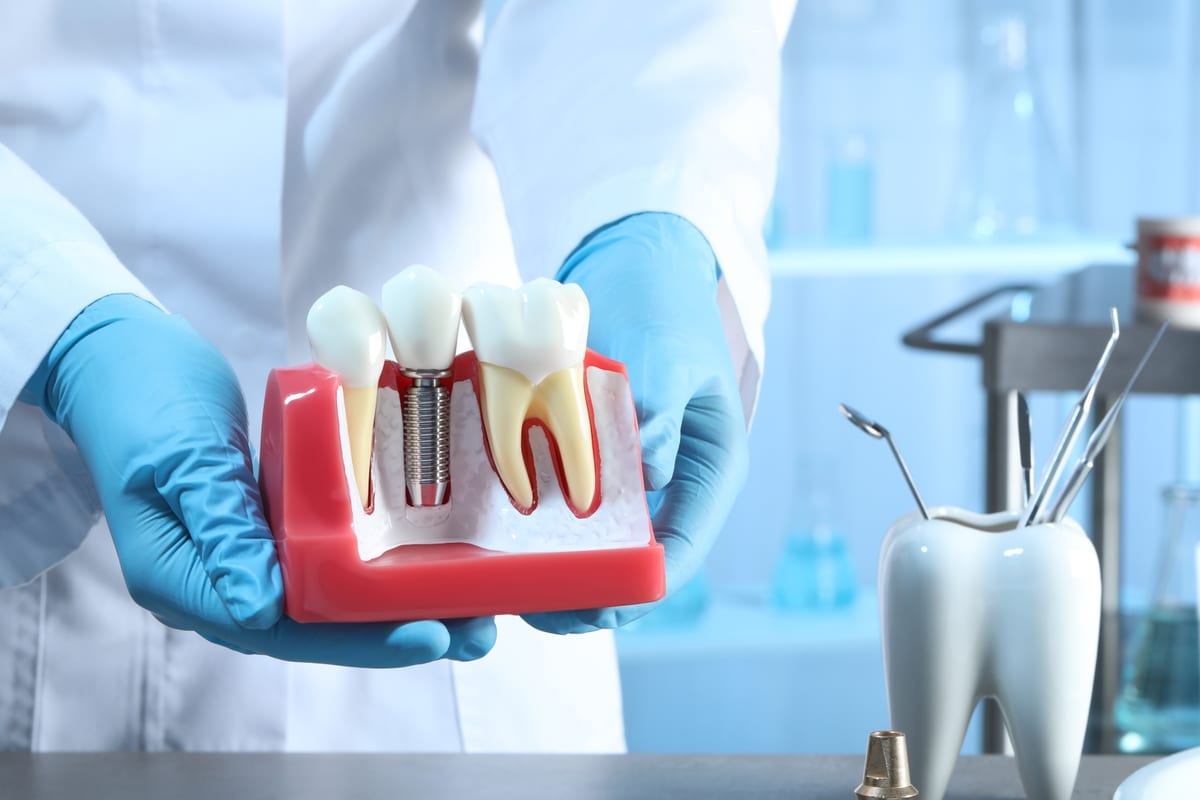
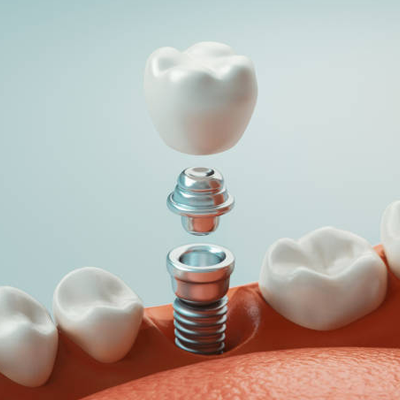
- A dental implant needs a restoration on top
- The tooth has decay on multiple surfaces
Crowns protect the entire tooth. They distribute bite pressure evenly and prevent further breakdown. When strength is the priority, a crown is almost always the better clinical choice.
When Your McKinney Dentist Recommends a Veneer
Veneers shine when the underlying tooth is structurally healthy. If your tooth has a good foundation but cosmetic issues on the front surface, a veneer is often the less invasive solution. Your dentist removes far less natural tooth enamel compared to crown preparation.
A skilled Cosmetic Dentist McKinney patients trust will recommend veneers for issues like permanent staining that whitening cannot fix, chips that affect only the visible surface, and minor size or shape irregularities. Veneers can also close small gaps between front teeth.
Here are the key situations where veneers make clinical sense:
- Teeth are permanently stained by tetracycline or fluorosis
- A front tooth has a small chip with no structural damage underneath
- Teeth are slightly uneven in length or shape
- Minor spacing issues exist that do not require orthodontic correction
- The patient wants a uniform, bright smile across several front teeth
Because veneers only cover the front surface, they are not appropriate for teeth that need to withstand heavy biting forces. Your back teeth, for example, almost never receive veneers. They work best on the front six to eight teeth.
The Clinical Decision: How Dr. Kim Evaluates Your Tooth
Dr. Kim does not choose between a crown and a veneer based on appearance alone. The evaluation starts with the health of your tooth. He examines x-rays, checks for decay, and assesses how much natural tooth structure remains.
He also considers your bite. Patients who grind their teeth put extra stress on restorations. A veneer may chip or debond in a heavy grinder. A crown is far more durable under those conditions.
Another factor is the location of the damage. Damage on the back or sides of a tooth rules out a veneer immediately. Veneers only address the visible front surface. If decay or damage wraps around the tooth, only a crown can restore it properly.
Regular Cleaning And Prevention McKinney visits also help Dr. Kim catch small problems early. Catching a small chip or cavity before it spreads means you may qualify for a veneer instead of needing a crown later. Prevention always expands your options.
Durability, Longevity, and What to Expect
Both crowns and veneers are long-lasting restorations when properly cared for. Crowns typically last 10 to 15 years or longer. Veneers average 10 to 12 years with good oral hygiene habits. Neither is considered permanent, but both are highly durable.
Crowns are generally more resistant to everyday wear and tear. They cover every exposed surface, so they handle chewing and grinding better. Veneers can chip if you bite on hard objects or use your teeth as tools.
Caring for either restoration is straightforward. Brush twice daily, floss regularly, and attend your scheduled cleanings. Avoid biting on ice, hard candy, or fingernails. These habits protect your investment in either treatment.
Making the Right Choice for Your Smile in McKinney
The decision between a crown and a veneer is always a clinical one first. Cosmetic goals matter, but the health of your tooth comes first. Dr. Steve Kim explains his reasoning at every step so you feel confident in the plan.
There is no single right answer for every patient. A crown that protects a damaged tooth is just as valuable as a veneer that transforms a healthy one. Your unique situation guides the recommendation every time.
At Custer Creek Dental Care, the goal is always to preserve as much of your natural tooth as possible while giving you a result that looks and functions great. If you have questions about which option fits your smile, the team is ready to help. Book Now to schedule your appointment with our team.
Frequently Asked Questions
Can a veneer be placed over a damaged tooth?
Generally, no. Veneers require a structurally sound tooth underneath. If a tooth has significant decay, cracks, or missing structure, a crown is the safer and more appropriate choice. Your dentist will assess the tooth before recommending either option.
Do crowns look natural?
Yes. Modern dental crowns are made from tooth-colored materials like porcelain or zirconia. Dr. Kim matches the shade to your surrounding teeth so the restoration blends in naturally. Most patients find it difficult to tell the difference between a crown and a natural tooth.
Is the preparation process painful for either treatment?
Both procedures are performed under local anesthetic, so you should feel little to no discomfort during treatment. Some patients experience mild sensitivity after the anesthetic wears off. This typically resolves within a few days.
How do I know if my tooth needs a crown or a veneer?
Only a dentist can make that determination after a full clinical examination. Factors like the extent of damage, location of the tooth, your bite, and your overall oral health all play a role. Scheduling a consultation is the best first step.
Can veneers be replaced if they chip or wear down?
Yes. Veneers can be replaced when they reach the end of their lifespan or if they are damaged. Because some enamel is removed during the initial placement, a veneer-treated tooth will always need some form of restoration going forward. Your dentist will monitor them at regular checkups.