

Gum Disease Prevention in McKinney, TX
Most McKinney residents brush and floss every day. Yet gum disease still affects nearly half of all adults. The reason is simple — your toothbrush cannot reach below the gumline. That hidden zone is exactly where dangerous bacteria thrive. Understanding what lurks below your gumline is the first step to stopping gum disease before it starts in McKinney.
What Actually Lives Below Your Gumline?
Your mouth contains hundreds of bacterial species. Most are harmless. But certain harmful bacteria prefer the dark, oxygen-poor environment beneath your gums. They form a sticky film called subgingival plaque.
This plaque is different from what you remove when you brush. It clings to root surfaces and hides in deep pockets. Over time, it hardens into tartar, also called calculus. Tartar cannot be removed by brushing alone.
These bacteria release toxins constantly. Those toxins irritate gum tissue and trigger your immune system. Your body’s inflammatory response is actually what causes most of the damage associated with gum disease.
How Bacteria Below the Gumline Causes Gum Disease in McKinney Patients
Gum disease progresses in stages. The first stage is gingivitis. This is when gums become red, swollen, and bleed easily. Many people ignore this stage because it causes little to no pain.
Left untreated, gingivitis advances to periodontitis. At this stage, bacterial toxins and inflammation destroy the bone and tissue supporting your teeth. Gum pockets deepen. Teeth become loose. Tooth loss becomes a real risk.
The bacteria responsible do not stay local either. Research links periodontal disease to serious systemic conditions. These include heart disease, diabetes complications, and stroke. Stopping gum disease early protects far more than your smile.
Here is how gum disease typically develops without professional intervention:
- Plaque forms along and below the gumline within hours of eating
- Harmful bacteria multiply rapidly in the subgingival environment
- Toxins inflame gum tissue and trigger an immune response
- Gum pockets deepen, giving bacteria more space to colonize
- Bone loss begins — often without any noticeable pain
- Tooth loss and systemic health effects follow in advanced cases
Why Professional Cleanings Interrupt the Bacterial Cycle
Professional dental cleanings do something your toothbrush cannot. They physically remove subgingival plaque and hardened tartar from below the gumline. This process is called scaling.
During a routine cleaning at Custer Creek Dental Care, our hygienists use specialized instruments. These tools reach into gum pockets and clean root surfaces thoroughly. This removes the bacterial colonies that cause inflammation.
When that bacterial load is reduced, your gum tissue can heal. Inflammation decreases. Pocket depths stabilize or shrink. Your immune system gets a much-needed break. Regular cleanings essentially reset the cycle before it spirals into disease.
For patients with active gum disease, Dr. Steve Kim may recommend scaling and root planing. This deeper cleaning smooths root surfaces so bacteria have fewer places to attach. It is the gold standard first treatment for periodontitis.
Professional cleanings also give our team a chance to monitor your gum health over time. We measure pocket depths, check for bleeding, and track changes at every visit. Early detection makes treatment far simpler and more effective.
What Happens When Gum Disease Goes Too Far
Advanced gum disease can lead to tooth loss. Once a tooth is lost, your oral health challenges multiply. The jawbone beneath the missing tooth begins to shrink. Neighboring teeth may shift. Chewing and speaking become more difficult.
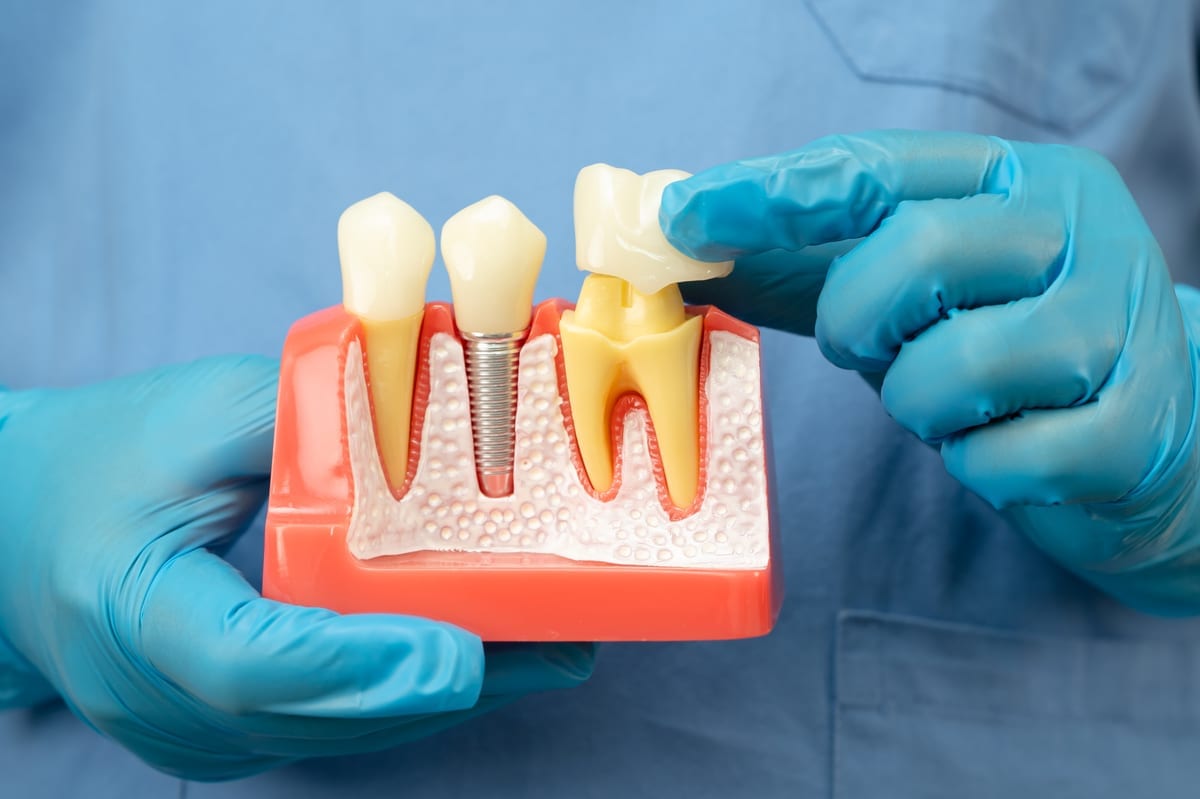
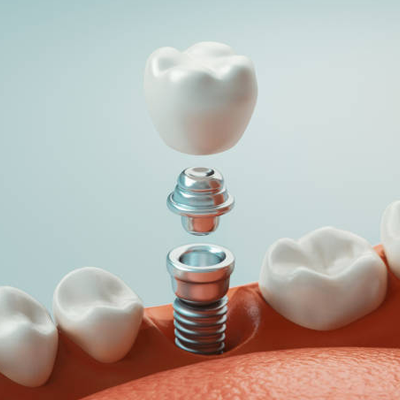
Patients facing tooth loss often explore Implants as a long-term replacement solution. Dental implants restore function and help preserve jawbone. However, active gum disease must be treated before implant placement can succeed.
In some cases of severe infection, Root Canals become necessary when bacteria spread to the tooth’s inner pulp. This is a reminder of how far subgingival bacteria can travel when gum disease is left untreated.
Prevention is always the better path. Addressing gum disease early avoids these more complex and costly treatments. Consistent professional cleanings are your strongest defense.
How Often Should McKinney Patients Schedule Cleanings?
The right cleaning schedule depends on your individual gum health. Most healthy adults benefit from cleanings every six months. However, patients with a history of gum disease often need more frequent visits.
Dr. Steve Kim evaluates each patient individually. He considers factors like pocket depth, bone levels, and past treatment history. He then recommends a maintenance schedule tailored specifically to your needs.
Here are signs that you may need to schedule a cleaning soon:
- Gums that bleed when you brush or floss
- Persistent bad breath that does not improve with brushing
- Gums that look red, puffy, or receded
- Teeth that feel loose or have shifted position
- Pain or sensitivity along the gumline
Do not wait for pain to seek care. Gum disease is often painless in its early stages. By the time discomfort appears, significant damage may already exist.
Protecting Your Gum Health at Custer Creek Dental Care
At Custer Creek Dental Care in McKinney, our approach to gum health goes beyond a simple cleaning. Dr. Steve Kim and our team take time to educate each patient about what is happening below the gumline. We show you exactly where bacteria are accumulating and how to target those areas at home.
We use gentle, modern techniques to make cleanings comfortable — even for patients with sensitivity. Our goal is to make preventive care feel easy and worthwhile. We believe an informed patient is an empowered patient.
Stopping gum disease before it starts in McKinney is entirely achievable. It starts with understanding your risk, committing to professional cleanings, and partnering with a team that genuinely cares about your long-term health. Book Now to schedule your appointment with our team.
Frequently Asked Questions
What is subgingival plaque and why is it dangerous?
Subgingival plaque is a bacterial film that forms below your gumline. It thrives in low-oxygen environments your toothbrush cannot reach. The bacteria in this plaque release toxins that inflame gum tissue and trigger bone loss over time. Without professional removal, it hardens into tartar and accelerates gum disease progression.
Can I reverse gum disease with better brushing at home?
Gingivitis, the earliest stage of gum disease, can often be reversed with improved home care and professional cleanings. However, once gum disease advances to periodontitis, home brushing alone cannot reverse the damage. Professional treatment from Dr. Steve Kim is necessary to stop the progression and restore gum health at that stage.
How do I know if I have gum disease?
Common signs include bleeding gums, persistent bad breath, red or swollen gum tissue, receding gums, and loose teeth. However, gum disease is often painless in early stages. The most reliable way to detect it is through a professional dental exam where pocket depths and bone levels are evaluated.
How does gum disease affect my overall health?
Research consistently links gum disease to systemic health conditions including heart disease, diabetes, respiratory disease, and stroke. The bacteria and inflammation from periodontal disease can enter the bloodstream. This is why treating gum disease is important for your whole body — not just your oral health.
How often do I need a professional dental cleaning in McKinney?
Most adults benefit from a professional cleaning every six months. Patients with a history of gum disease or deep pockets may need cleanings every three to four months. Dr. Steve Kim will evaluate your specific gum health and recommend the maintenance schedule that best protects your smile long-term.