

Dental Implants in McKinney, TX
Most patients are surprised to learn that dental implants last 25+ years — and what determines yours in McKinney often comes down to a few key habits and decisions. Unlike bridges or dentures, implants are designed to function like natural teeth for decades. But no two patients are the same. Understanding what affects implant longevity helps you protect your investment and your smile for life.
Why Implants Are Built to Last a Lifetime
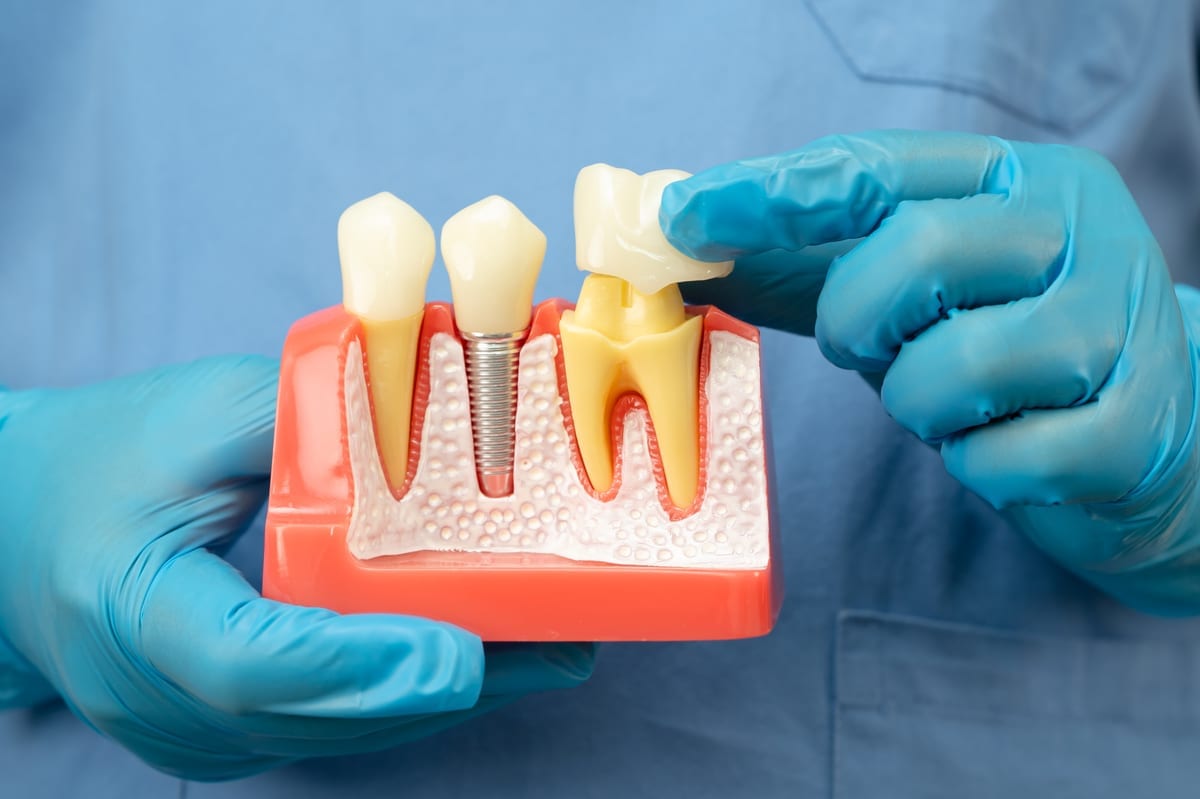
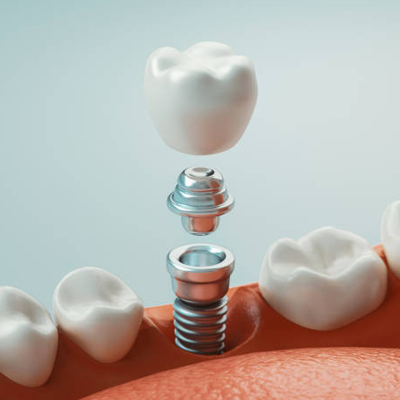
Dental implants consist of a titanium post surgically placed into the jawbone. Over time, the bone fuses to the post in a process called osseointegration. This creates a remarkably stable and durable foundation for your replacement tooth.
Titanium is biocompatible, meaning the body rarely rejects it. It resists corrosion and withstands the daily forces of chewing and speaking. That’s why implant success rates consistently exceed 95% over 10-year periods in clinical studies.
The crown placed on top of the implant may need replacement after 15 to 20 years due to normal wear. However, the implant post itself can last a lifetime when properly maintained. This two-part lifespan is important to understand from the start.
Key Factors That Determine How Long Your Implants Last in McKinney
Not every implant journey looks the same. Several personal and lifestyle factors directly influence how long your implant will perform well. Knowing these factors puts you in control of your outcome.
- Oral hygiene habits: Brushing twice daily and flossing around the implant prevents gum disease that can loosen the post.
- Smoking and tobacco use: Tobacco significantly impairs healing and increases implant failure risk by up to 20%.
- Bone density: Strong jawbone supports osseointegration. Bone loss from tooth extraction or aging can complicate the process.
- Chronic health conditions: Uncontrolled diabetes or autoimmune disorders can slow healing and affect long-term stability.
- Teeth grinding (bruxism): Grinding places excessive force on implants and may crack the crown or shift the post over time.
- Diet and nutrition: A balanced diet rich in calcium and vitamin D supports the bone structure surrounding your implant.
Dr. Steve Kim evaluates each of these factors before recommending implant treatment at Custer Creek Dental Care. Personalized planning improves outcomes significantly.
How Gum Disease Silently Threatens Implant Longevity
Peri-implantitis is a serious gum infection that develops around implants. It works similarly to periodontitis around natural teeth. Left untreated, it destroys the bone holding the implant in place.
Early signs include redness, swelling, or bleeding around the implant site. Many patients ignore these symptoms because they feel no pain. That’s exactly what makes this condition so dangerous.
Patients who previously needed Root Canals due to severe infection understand how quickly oral bacteria can cause damage. The same principle applies to implant care. Consistent professional cleanings are your first line of defense against peri-implantitis.
Scheduling regular checkups with our McKinney team helps catch early warning signs. Dr. Kim uses careful measurements around each implant to monitor tissue health over time. Early intervention saves implants — and saves patients from costly retreatment.
Daily Habits That Help Your Implants Reach 25+ Years
The patients who get the most from their implants treat them with intentional daily care. Good habits are simple but require consistency. Here’s what our team recommends to every implant patient in McKinney.
- Brush twice daily with a soft-bristled toothbrush and non-abrasive toothpaste to protect the crown surface.
- Floss daily using implant-specific floss or a water flosser to clean below the gumline around the post.
- Avoid chewing ice or hard objects that can fracture the crown or apply unnatural stress to the implant.
- Wear a nightguard if you grind your teeth — Dr. Kim can fit you with a custom guard to protect your implant while you sleep.
- Visit our office every six months for professional cleaning and implant monitoring.
- Quit tobacco at any stage — even stopping after placement improves long-term implant survival rates.
These habits are not complicated. They are the same practices that keep natural teeth healthy. The difference is that implants rely entirely on the surrounding gum and bone for support — so consistency matters even more.
What the Implant Placement Process Has to Do With Longevity
Long-term implant success starts before the post ever enters your jaw. Proper diagnosis, planning, and surgical technique directly impact how well the implant integrates and performs over decades.
At Custer Creek Dental Care, Dr. Kim uses advanced imaging to assess bone volume and gum health before placing any implant. If bone loss is present, bone grafting may be recommended first. This preparation step creates the strongest possible foundation.
Precise placement angle and depth matter enormously. An implant placed too close to a nerve or at the wrong angle places uneven stress on the crown. Over years, that stress accelerates wear and increases failure risk.
Choosing an experienced implant provider in McKinney is one of the most important decisions you can make. Skill and technology together give your implant the best possible start — and the best possible finish.
Conclusion: Protecting Your Smile for Decades
Dental implants are one of the most reliable and long-lasting solutions in modern dentistry. With the right daily habits, regular professional care, and expert placement, your implant can truly last a lifetime. Patients throughout McKinney trust Dr. Steve Kim at Custer Creek Dental Care to guide them through every step — from evaluation to long-term maintenance. Book Now to schedule your appointment with our team.
Frequently Asked Questions
How long do dental implants typically last?
The titanium implant post can last a lifetime with proper care. The crown placed on top typically lasts 15 to 20 years before needing replacement due to normal wear. Overall implant success rates exceed 95% over 10-year clinical study periods.
What is the biggest threat to implant longevity?
Peri-implantitis — a bacterial infection of the gum and bone around the implant — is the leading cause of implant failure. Consistent oral hygiene and regular professional cleanings are the best ways to prevent it.
Can smokers get dental implants that last?
Smokers can receive implants, but tobacco use significantly increases failure risk. Quitting smoking before or after placement improves healing and long-term implant survival. Dr. Kim discusses this openly during consultations to help patients make informed decisions.
Does teeth grinding affect dental implants?
Yes. Bruxism places excessive force on the implant crown and post over time. A custom nightguard protects both the implant and surrounding teeth from grinding damage. Dr. Kim can evaluate whether a nightguard is right for you.
How often should I visit the dentist after getting an implant?
Patients with dental implants should visit every six months for professional cleaning and monitoring. Dr. Kim measures tissue health around each implant during checkups to catch any early signs of peri-implantitis or bone changes before they become serious problems.