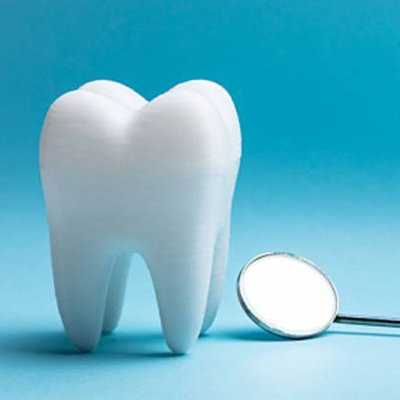


Why Your Root Canal Isn’t Complete Without a Crown
If you have recently had a root canal, you may be wondering what comes next. Many McKinney patients are surprised to learn their treatment is not truly finished after the root canal itself. Understanding why your root canal isn’t complete without a crown in McKinney can help you protect your smile for the long term. Dr. Steve Kim and the team at Custer Creek Dental Care are here to walk you through every step of the process.
What Happens to a Tooth After a Root Canal?
A root canal removes infected or damaged pulp from inside your tooth. This saves the tooth from extraction and eliminates pain. However, the procedure also leaves the tooth in a weakened state.
During the root canal, your dentist creates an opening in the tooth to access the pulp chamber. This process, combined with the original infection, removes moisture and structural support from the tooth. The remaining shell of the tooth becomes brittle over time.
A treated tooth can still chew and function normally in the short term. But without proper protection, that brittle structure is highly vulnerable to cracking, fracturing, or breaking. This is exactly why a crown is the critical next step in your care.
Why a Crown Is Essential After Root Canal Treatment in McKinney
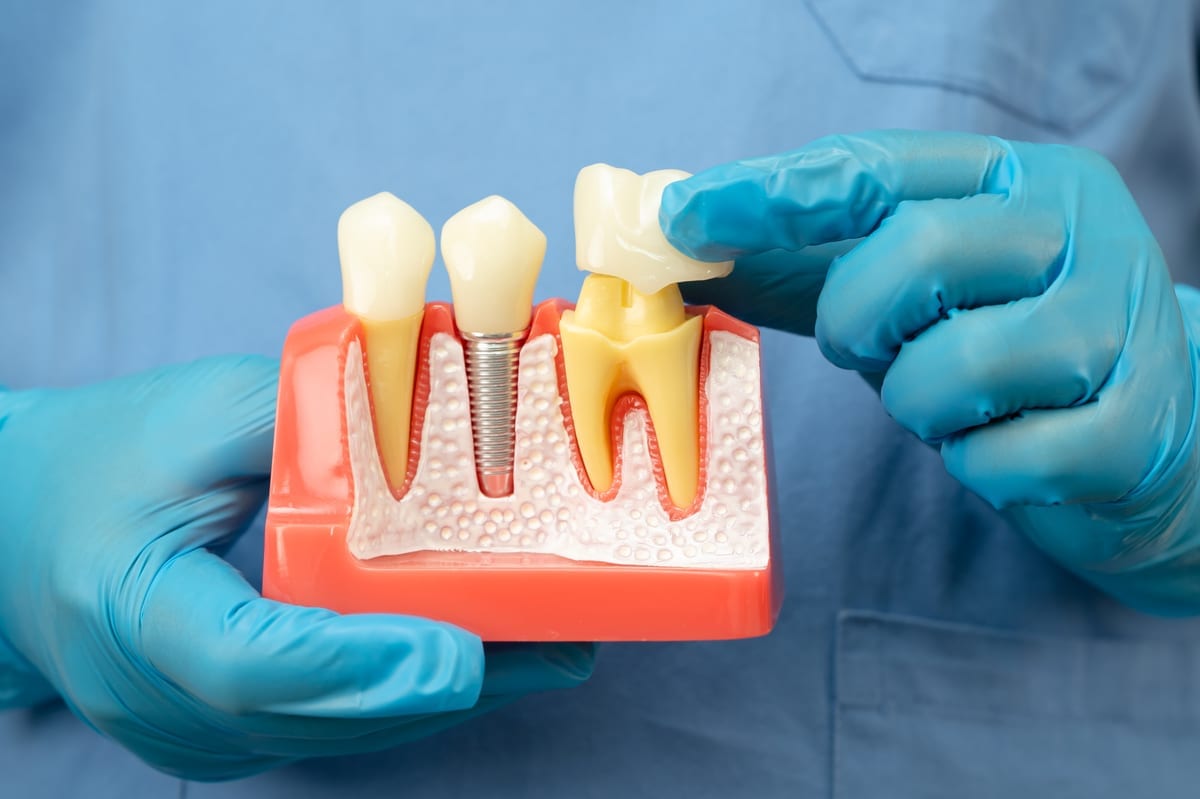
A dental crown fits over the treated tooth like a protective cap. It restores the tooth’s full shape, strength, and function. Without it, your treated tooth faces serious risks every time you bite or chew.
Here are the key reasons why a crown is necessary after a root canal:
- Fracture protection: A crown holds the weakened tooth together and prevents it from splitting.
- Sealing the tooth: It seals the opening created during the root canal, blocking bacteria from re-entering.
- Restored function: A crown allows you to chew normally without pain or sensitivity.
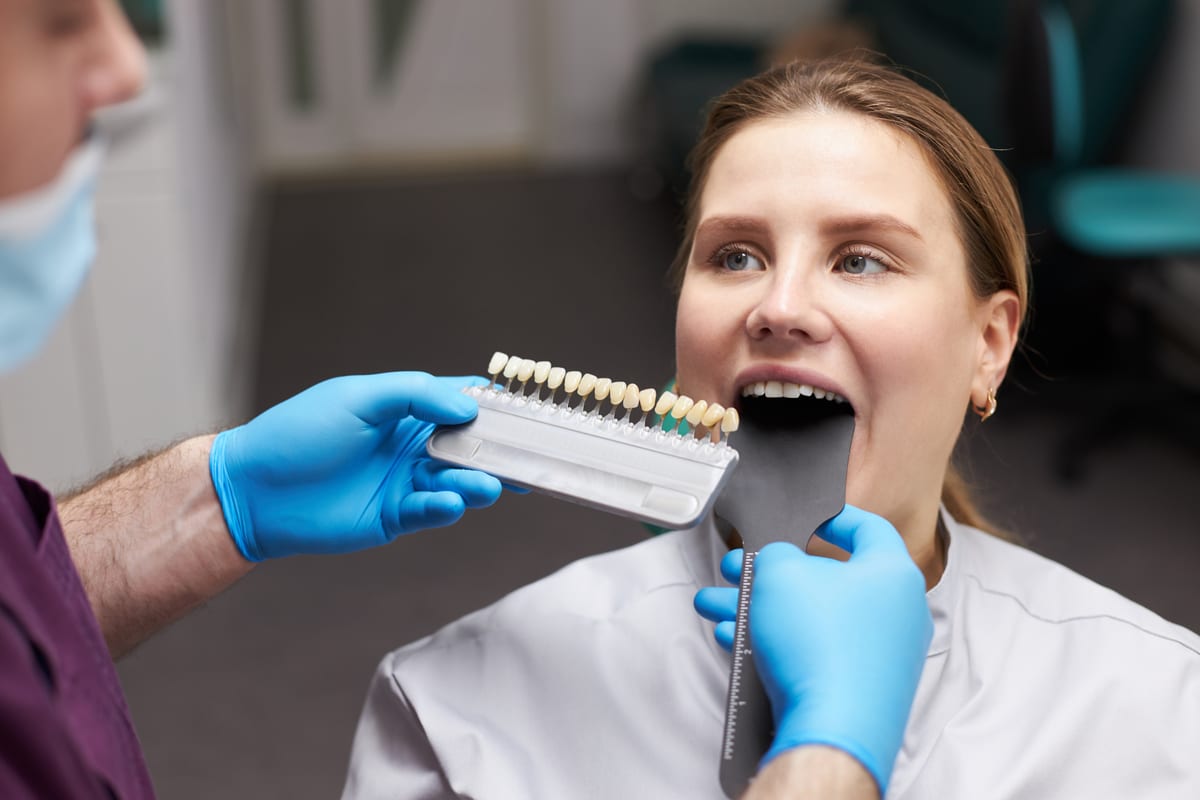
- Natural appearance: Modern crowns are crafted to match your surrounding teeth seamlessly.
- Long-term durability: A well-placed crown can last 10 to 15 years or longer with good care.
Skipping a crown after a root canal puts your investment at risk. You could end up losing the tooth entirely, which leads to additional and more complex dental work down the road.
What Happens If You Skip the Crown?
Some patients complete their root canal and delay or avoid getting a crown. This is a common but costly mistake. Without a crown, the treated tooth is exposed to daily wear and the risk of reinfection.
A tooth without a crown after a root canal may:
- Crack or fracture under normal biting pressure
- Develop a new infection if bacteria re-enter the tooth
- Become so damaged that extraction is the only option
- Cause pain and sensitivity that disrupts daily life
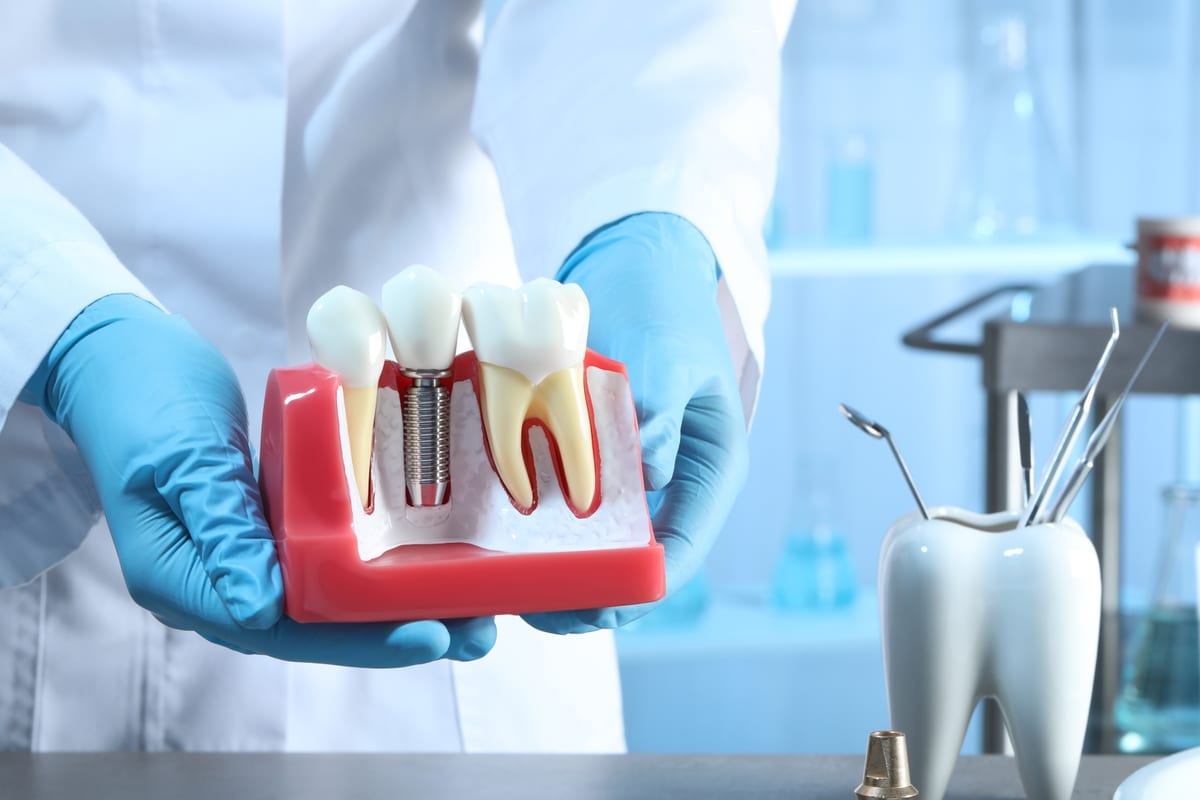
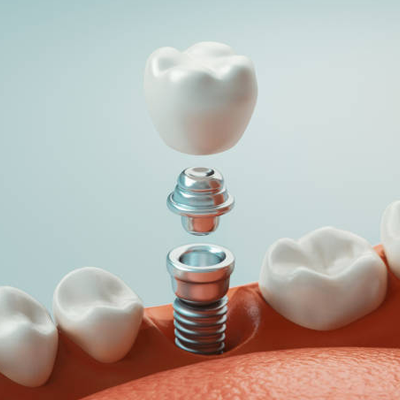
Losing the tooth creates a gap in your smile. That gap can cause surrounding teeth to shift over time. You may then need a dental implant or bridge to restore function — a far more involved process than simply placing a crown after your root canal.
Patients who want to maintain a healthy, complete smile often work with a Cosmetic Dentist McKinney to ensure every restoration looks and feels natural. Getting your crown promptly is the simplest way to protect your tooth and your appearance.
What to Expect at Your Crown Appointment
Many patients feel anxious about a second appointment after their root canal. In reality, the crown placement process is straightforward and comfortable. Here is what you can typically expect at Custer Creek Dental Care.
Your crown appointment generally involves two visits:
- Preparation visit: Dr. Kim reshapes the tooth slightly so the crown fits securely. Impressions or digital scans are taken. A temporary crown protects the tooth while your permanent crown is being crafted.
- Placement visit: Your permanent crown arrives from the dental lab. Dr. Kim removes the temporary crown, fits the permanent one, and checks your bite carefully. The crown is then bonded in place.
The entire process is completed under local anesthesia, so you should feel little to no discomfort. Most patients return to their normal routine the same day. Dr. Kim takes time to ensure your crown fits precisely and looks completely natural.
Good oral hygiene at home and routine Cleaning And Prevention McKinney visits are essential to keeping your crown in excellent condition for years to come.
How Long After a Root Canal Should You Get a Crown?
Timing matters when it comes to protecting your treated tooth. Most dentists recommend getting a crown within a few weeks of completing a root canal. Waiting too long increases the risk of the tooth cracking or becoming reinfected.
The temporary restoration placed after a root canal is not designed for long-term use. It can wear down or loosen, leaving the tooth exposed. The sooner your permanent crown is in place, the better protected your tooth will be.
If you are experiencing any discomfort or sensitivity after your root canal, contact Custer Creek Dental Care promptly. Dr. Steve Kim will evaluate your tooth and advise you on the right timeline for your crown placement based on your specific situation.
Conclusion: Complete Your Root Canal the Right Way in McKinney
A root canal is a highly effective way to save an infected tooth. But the treatment is truly complete only when a crown is placed over the treated tooth. Understanding why your root canal isn’t complete without a crown in McKinney empowers you to make informed decisions about your oral health.
At Custer Creek Dental Care, Dr. Steve Kim and the team are committed to guiding McKinney patients through every stage of their dental care. From the root canal itself to the final crown placement, you will receive compassionate, expert care every step of the way. Book Now to schedule your appointment with our team.
Frequently Asked Questions
Is a crown always required after a root canal?
In most cases, yes. A crown is strongly recommended after a root canal because the treated tooth becomes brittle and vulnerable to fracture. There are rare exceptions for front teeth with minimal structural loss, but Dr. Kim will evaluate your specific tooth and advise you on the best course of action.
How long does it take to get a crown after a root canal?
The crown process typically involves two appointments spaced one to two weeks apart. The first appointment prepares the tooth and takes impressions. The second appointment places the permanent crown. Most patients complete the entire process within a month of finishing their root canal.
Will the crown appointment be painful?
Most patients experience little to no discomfort during crown placement. Local anesthesia is used to keep you comfortable throughout the procedure. Some mild sensitivity around the gum area is normal for a day or two after the appointment, but it usually resolves quickly.
How long will my crown last after a root canal?
With proper care, a dental crown can last 10 to 15 years or even longer. Brushing twice daily, flossing regularly, and attending routine dental cleanings are the best ways to extend the life of your crown. Avoiding habits like chewing ice or grinding your teeth also helps protect your restoration.
What if my root canal tooth cracks before I can get a crown?
A cracked root canal tooth requires immediate attention. Contact Custer Creek Dental Care as soon as possible if you notice pain, sensitivity, or a visible crack. Depending on the severity, Dr. Kim may still be able to save the tooth with a crown. Acting quickly gives you the best chance of preserving the tooth.