
Dental Implants in McKinney, TX
Most people assume a missing tooth is mostly a cosmetic problem. But your jawbone is shrinking — and waiting on implants becomes risky faster than many McKinney patients expect. The moment a tooth is lost, the bone beneath it begins to deteriorate. This process is silent, painless, and often invisible until real damage has already occurred.
At Custer Creek Dental Care, Dr. Steve Kim sees patients who delayed implant treatment — sometimes by months, sometimes by years. Many of them wish they had acted sooner. This article will help you recognize the warning signs that waiting has already gone on too long.
Why Your Jawbone Starts Shrinking After Tooth Loss in McKinney
Your teeth do more than help you chew. Each tooth root stimulates the jawbone every time you bite or speak. That stimulation tells your body to keep rebuilding bone tissue in that area. When a tooth is gone, that signal disappears completely.
Without stimulation, the body treats that bone as unnecessary. It begins reabsorbing the tissue — a process called resorption. Studies show you can lose up to 25% of bone width in the first year alone. After several years, significant bone loss can make implant placement much more complex.
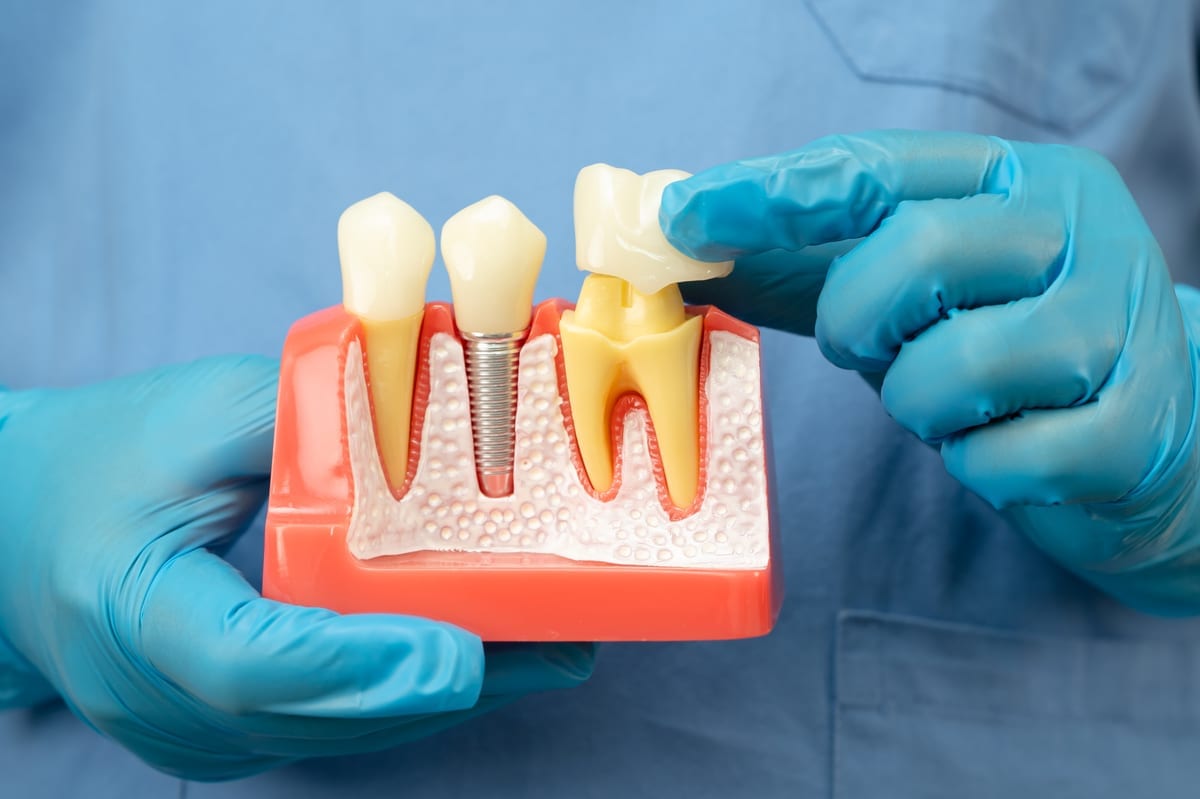
Implants are the only tooth replacement option that actually restores that stimulation. Dentures and bridges sit on top of the gum. They do not stop bone loss from continuing underneath.
Warning Signs You Have Already Waited Too Long
Bone loss does not announce itself with pain. Instead, it shows up in other ways that are easy to dismiss or misattribute. Knowing what to watch for is the first step toward protecting your long-term oral health.
Here are key warning signs that bone loss may already be progressing:
- Your face looks sunken or collapsed near the area of the missing tooth
- Nearby teeth have started shifting or tilting toward the gap
- You struggle to chew certain foods, even on the opposite side
- Your bite feels different or uncomfortable when you close your mouth
- You have jawbone soreness or facial muscle fatigue after eating
- Your denture no longer fits the way it used to
Each of these signs points to structural changes happening beneath the surface. If you recognize more than one on this list, your window for straightforward implant placement may be narrowing.
How Shifting Teeth and Bite Problems Compound the Damage
When a tooth goes missing, neighboring teeth lose their anchor point. They begin drifting into the open space over time. This is not just a cosmetic issue — it creates a chain reaction of problems throughout your mouth.
Shifted teeth are harder to clean properly. They create new pockets where bacteria hide. This raises your risk of gum disease and decay in teeth that were previously healthy. In some cases, patients end up needing additional treatment — including Root Canals — on teeth that were perfectly fine before the gap appeared.
Bite problems also place uneven pressure on your remaining teeth. Over time, this can crack enamel, wear down cusps, and strain your jaw joints. What started as one missing tooth can eventually affect your entire mouth.
The longer you wait, the more likely you are to need additional procedures before an implant can even be placed. Bone grafting, gum treatment, and orthodontic correction can all become necessary — and all avoidable with earlier action.
What Makes Someone a Good Candidate Right Now
Many patients assume they have missed their chance for implants. That is rarely true. Even patients with some bone loss can often receive implants — though treatment may involve an additional step like a bone graft.
The best candidates for straightforward implant placement share these characteristics:
- Sufficient bone volume and density at the implant site
- Healthy gum tissue with no active infection
- Good overall oral hygiene habits
- No uncontrolled systemic conditions that affect healing
- Realistic expectations and commitment to follow-up care
Dr. Steve Kim uses detailed imaging to evaluate your current bone levels before recommending a treatment path. This assessment tells you exactly where you stand — and what your options are right now.
Even if grafting is needed, starting that process today is far better than waiting another six months. Each month of delay means more bone loss to overcome.
What the Implant Process Looks Like at Custer Creek Dental Care
Understanding the process helps remove the fear that often causes patients to delay. Dental implant treatment is a carefully staged process — not a single overwhelming procedure.
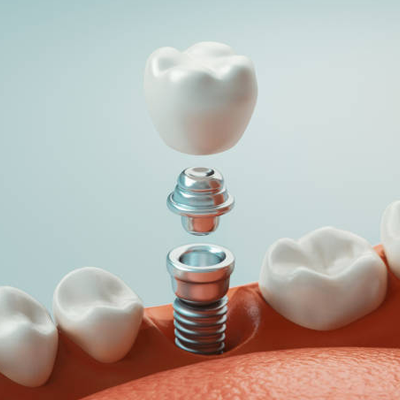
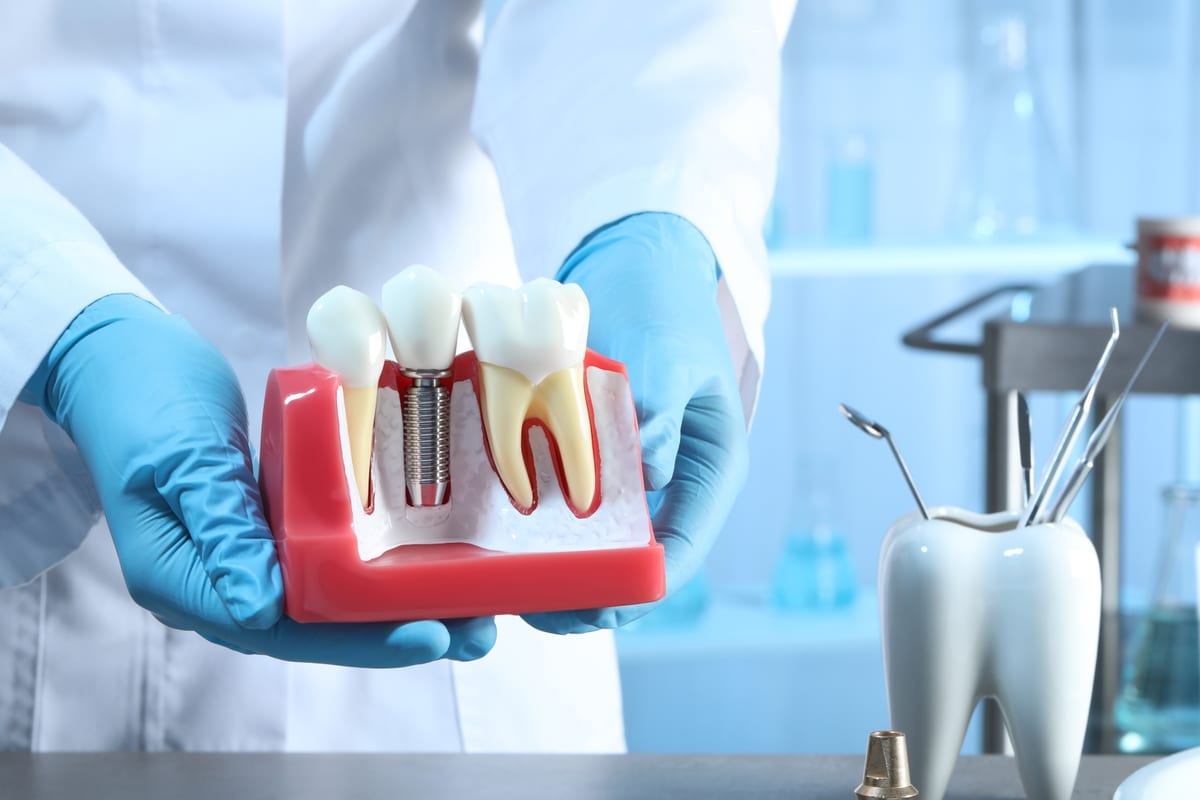
Dr. Kim begins with a thorough consultation and 3D imaging to assess bone structure. If your bone is sufficient, implant placement can be scheduled without additional preparation. The implant post is placed surgically and allowed to fuse with the bone over several months.
Once integration is complete, a custom crown is attached on top. The result looks, feels, and functions like a natural tooth. Most patients are surprised by how manageable the process actually is once they begin.
McKinney patients who have completed implant treatment consistently report that their only regret was not starting sooner. Chewing improves. Confidence returns. And most importantly — further bone loss stops.
Frequently Asked Questions
How quickly does bone loss begin after a tooth is lost?
Bone resorption begins almost immediately after a tooth is removed. Research shows measurable bone width loss within the first few weeks. By the end of the first year, some patients lose up to 25% of bone volume in that area. Acting sooner always produces better outcomes.
Can I still get an implant if I have already experienced significant bone loss?
Yes, in many cases you still can. Patients with bone loss often require a bone grafting procedure before the implant is placed. This rebuilds the foundation needed to support the implant. Dr. Steve Kim will assess your specific situation with imaging and walk you through every available option.
Will a dental bridge or denture stop my bone loss?
No — bridges and dentures do not prevent bone resorption. They replace the visible part of the tooth but provide no stimulation to the jawbone beneath. Only a dental implant restores the root-level function that signals the body to maintain bone tissue.
Is implant treatment painful?
Most patients report that implant surgery is more comfortable than they expected. Local anesthesia is used during the procedure, and Dr. Kim takes care to minimize discomfort throughout. Post-procedure soreness is typically mild and manageable with over-the-counter pain relief.
How do I know if I am ready to move forward with implants in McKinney?
The best first step is a consultation with Dr. Steve Kim at Custer Creek Dental Care. He will review your bone levels, gum health, and overall oral condition to give you an honest picture of where you stand. From there, you can make an informed decision about next steps without any pressure.
Do not let another month pass while your jawbone continues to change beneath the surface. The sooner you act, the simpler and more successful your treatment will be. Book Now to schedule your appointment with our team.