
General Dentistry McKinney
General Dentistry McKinney: Comparing Your Treatment Options
When it comes to General Dentistry McKinney residents deserve clear, honest information. Choosing the right dental treatment can feel overwhelming. There are often multiple ways to address the same dental concern. Understanding your options helps you make confident, informed decisions alongside your dentist.
At Custer Creek Dental Care, Dr. Steve Kim believes every patient deserves straightforward guidance. This article compares two of the most common treatment decisions patients face. We will walk through the pros and cons of each approach. By the end, you will feel more prepared for your next dental conversation.
Why General Dentistry McKinney Patients Compare Treatment Options
McKinney is a growing, active community full of families, professionals, and students. With prom season and graduation events happening right now, many patients want to look and feel their best. A bright, healthy smile matters more than ever this time of year. That is why late spring is one of our busiest times for consultations.
General dentistry covers a wide range of treatments. Some address damage or decay, while others focus on prevention or restoration. When more than one solution exists, patients naturally ask which is better. The answer almost always depends on your specific situation, budget, and long-term goals.
Two of the most common comparisons we see involve tooth-colored fillings versus dental crowns and root canal treatment versus tooth extraction. Both are everyday decisions in a general dentistry practice. Let us break them down clearly.
Tooth-Colored Fillings vs. Dental Crowns
When a tooth has decay or minor damage, a filling is often the first option. Fillings restore the tooth using composite resin that matches your natural tooth color. They are minimally invasive and completed in a single visit. Most patients experience very little discomfort afterward.
A dental crown, on the other hand, covers the entire visible portion of a tooth. Crowns are recommended when damage is too extensive for a filling. They provide stronger protection for weakened or cracked teeth. Crowns typically require two appointments and more preparation of the tooth structure.
Pros and Cons: Tooth-Colored Fillings
- Preserves more of your natural tooth structure
- Completed in a single appointment
- Blends naturally with surrounding teeth
- Less expensive than a crown
- May not be suitable for large areas of decay
- Can wear down faster under heavy chewing pressure
Pros and Cons: Dental Crowns
- Provides full coverage and strong protection
- Ideal for severely damaged or cracked teeth
- Long-lasting when properly cared for
- Restores both function and appearance
- Requires more removal of natural tooth structure
- Involves two visits and a temporary crown period
Dr. Kim evaluates each tooth individually before recommending a filling or crown. The size and location of the damage play major roles. Your bite pattern and chewing habits also matter. Together, you and Dr. Kim will find the best path forward.
Root Canal Treatment vs. Tooth Extraction
This comparison is one of the most emotionally charged in general dentistry. Many patients fear root canals based on outdated information. Modern root canal treatment is far more comfortable than most people expect. It is also often the better long-term choice for your oral health.
A root canal removes infected pulp tissue from inside the tooth. The tooth is then sealed and usually capped with a crown. This process saves the natural tooth and stops the spread of infection. You leave with your original tooth intact and pain-free.
Tooth extraction removes the entire tooth from the socket. It is sometimes necessary when a tooth is too damaged to save. Extraction is quicker and may cost less upfront. However, a missing tooth creates new challenges that require future treatment.
If you are curious about what root canal treatment involves, our Root Canals page offers a detailed overview of the process and what to expect.
Pros of Root Canal Treatment
- Saves your natural tooth
- Eliminates pain caused by infection
- Prevents bone loss around the tooth
- Maintains your natural bite alignment
- No gap left in your smile
Pros of Tooth Extraction
- Faster procedure in most cases
- Removes severely compromised teeth quickly
- Can relieve pain when no other option exists
- Sometimes necessary before orthodontic treatment
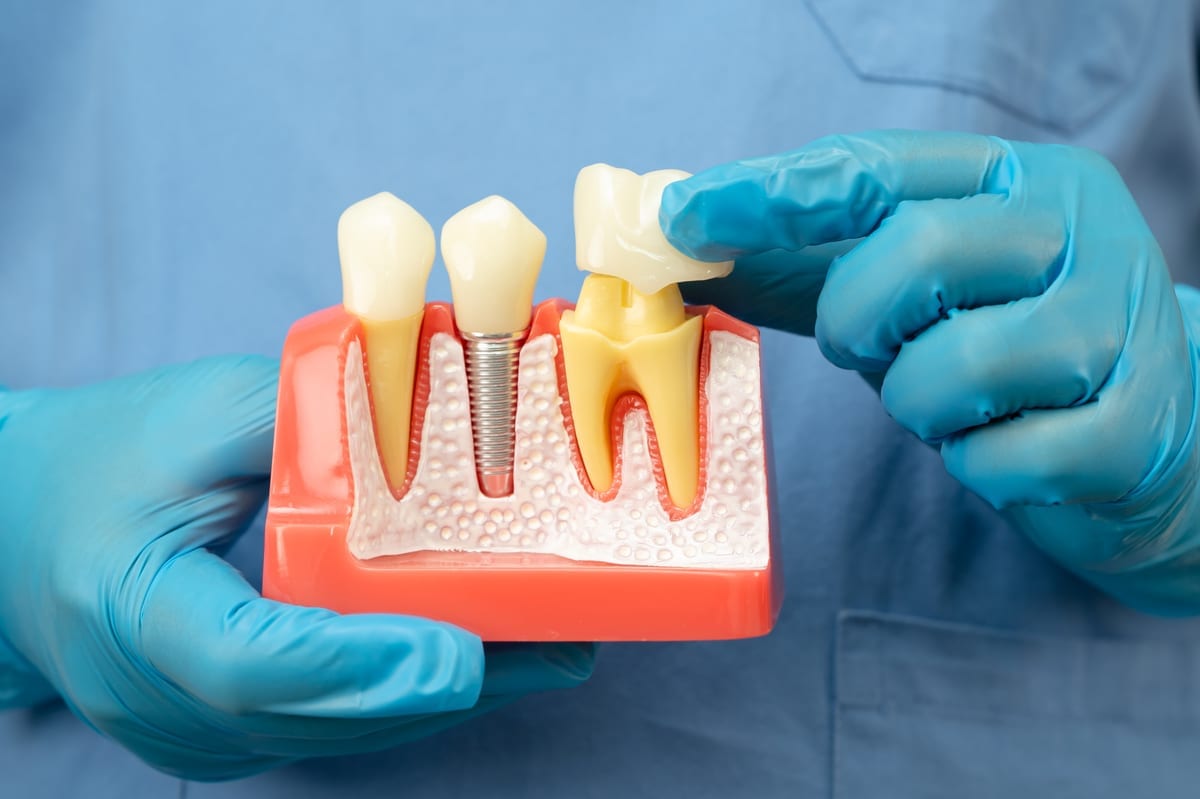
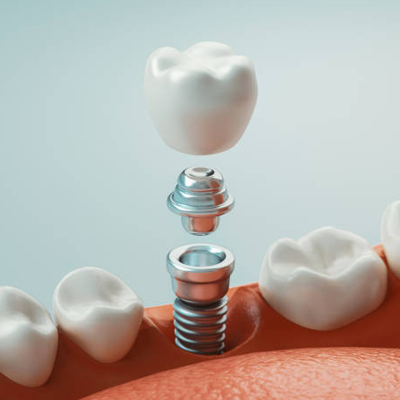
The downside of extraction is that the gap left behind can cause neighboring teeth to shift. Bone loss at the extraction site is also common over time. Replacing the missing tooth with an implant or bridge adds cost and time later. Learn about tooth replacement solutions on our Tooth Replacement page.
How General Dentistry McKinney Patients Decide Between Options
Making the right choice starts with a thorough examination. Dr. Kim uses digital X-rays and clinical evaluation to assess each case. He considers the health of surrounding teeth and gum tissue. He also discusses your personal priorities and comfort level before recommending anything.
Here in McKinney, TX, our hot and humid climate can affect oral health in subtle ways. Dehydration from the heat reduces saliva production. Less saliva means bacteria linger longer and decay can progress more quickly. Staying hydrated and keeping up with regular cleanings makes a big difference.
Seasonal timing also plays a role for many patients. Late spring is a popular time to schedule end-of-school checkups for kids. Parents often book their own appointments at the same time. Addressing dental concerns before summer activities begin is always a smart move.
When comparing any two treatment options, ask yourself these guiding questions. How much of the natural tooth can be preserved? What are the short-term and long-term costs? How will each option affect your daily life and comfort? Your dentist is your best partner in answering these questions honestly.
Explore the full range of services available at our practice by visiting our Services page. You will find information on everything from preventive care to restorative treatments.
Making the Right Choice for Your Smile
There is rarely a one-size-fits-all answer in dentistry. The best treatment is the one that fits your unique clinical situation and lifestyle. A knowledgeable, caring dentist helps you weigh every factor without pressure. That is the approach Dr. Steve Kim takes with every patient at Custer Creek Dental Care.
Whether you are weighing a filling against a crown or a root canal against extraction, you deserve clarity. Come in for a consultation and leave with a plan you feel good about. Our team is here to educate, not push. We want you to feel confident in every decision you make for your smile.
Spring is a great time to get ahead of any dental concerns before the busy summer months. Whether you are a student celebrating graduation or a parent prepping the family for summer fun, your oral health matters. Book Now to schedule your appointment with our team.
Frequently Asked Questions
What does a general dentistry appointment in McKinney typically include?
A general dentistry visit usually includes a thorough exam, professional cleaning, and digital X-rays. Dr. Kim checks for cavities, gum disease, and any signs of oral health concerns. Treatment recommendations are discussed openly so you can make informed decisions. Preventive care is always a top priority at Custer Creek Dental Care.
How do I know if I need a filling or a crown?
The size and location of the damage determine which option is best. Small to moderate decay is usually treated with a tooth-colored filling. When damage is extensive or the tooth is cracked, a crown provides better protection. Dr. Kim will evaluate your tooth and explain your options clearly before any work begins.
Is a root canal really as painful as people say?
Modern root canal treatment is much more comfortable than its old reputation suggests. Local anesthesia ensures you feel little to no pain during the procedure. Most patients say the discomfort is similar to getting a filling. Mild soreness afterward is normal and typically resolves within a few days.
What happens if I choose extraction instead of saving my tooth?
Extraction removes the tooth, but the gap left behind can cause nearby teeth to shift over time. Bone loss at the extraction site is also common without a replacement. Replacing the tooth with an implant or bridge is usually recommended to maintain bite function and appearance. Your dentist will help you plan next steps after any extraction.
How often should McKinney residents schedule general dentistry visits?
Most adults and children benefit from dental visits every six months. Some patients with gum disease or a history of frequent cavities may need to visit more often. Regular checkups help catch problems early when they are easiest and least costly to treat. Consistent preventive care is the foundation of a healthy smile long-term.